
Last updated November 2, 2026
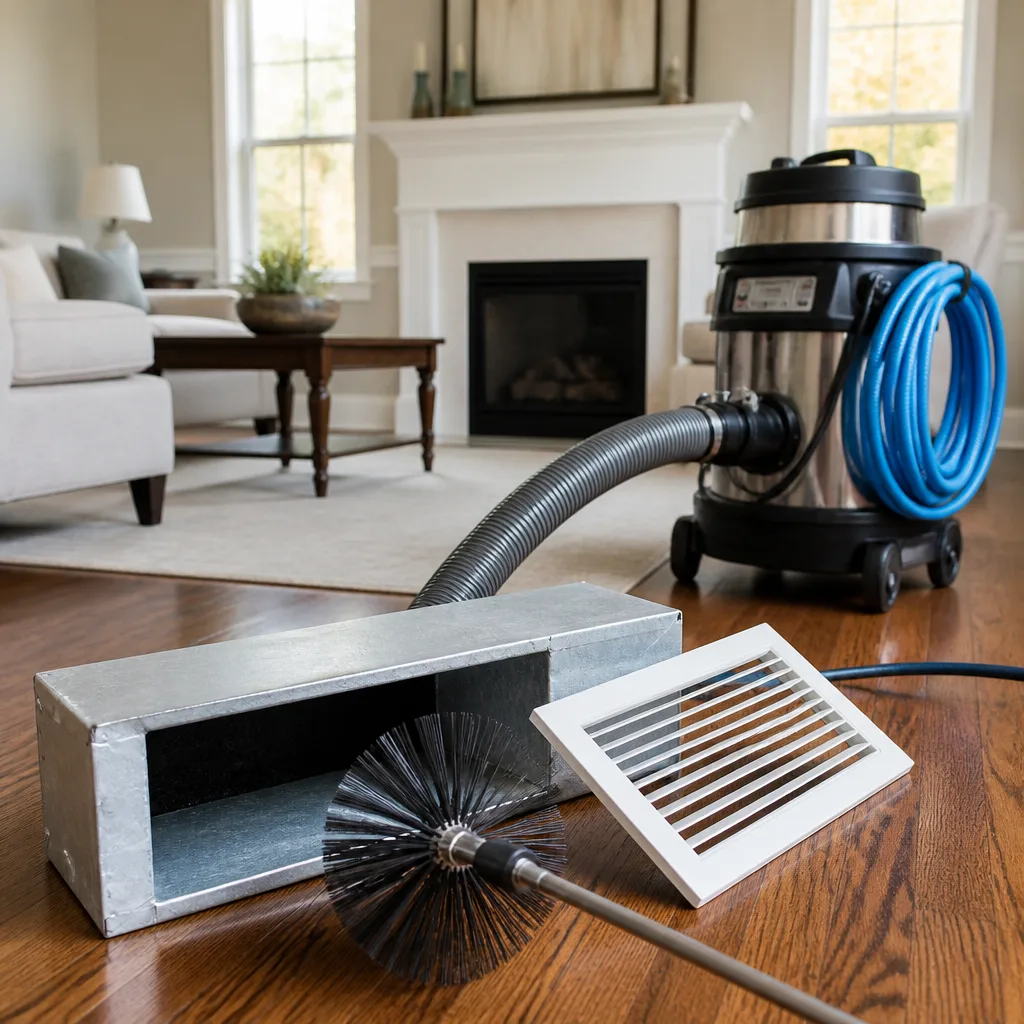 Whole-home duct cleaning
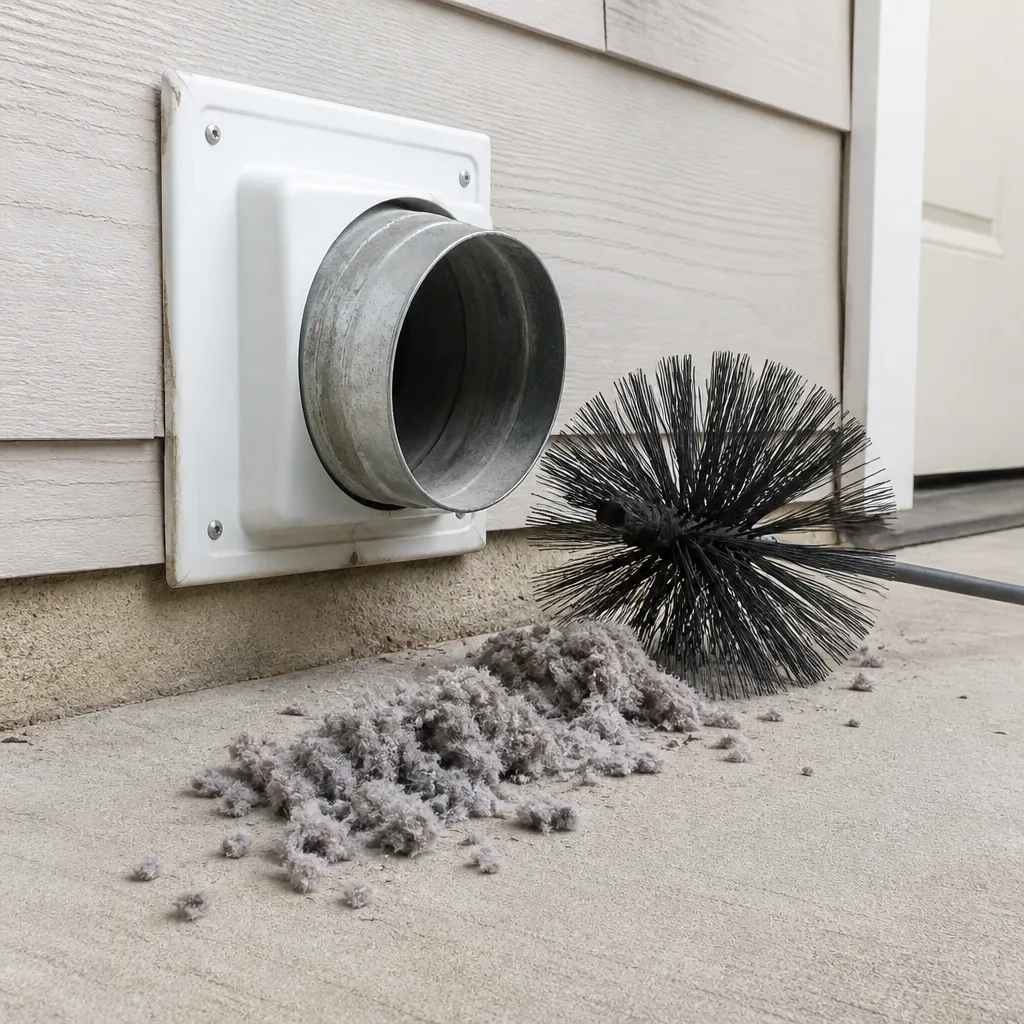 Dryer vent cleaning
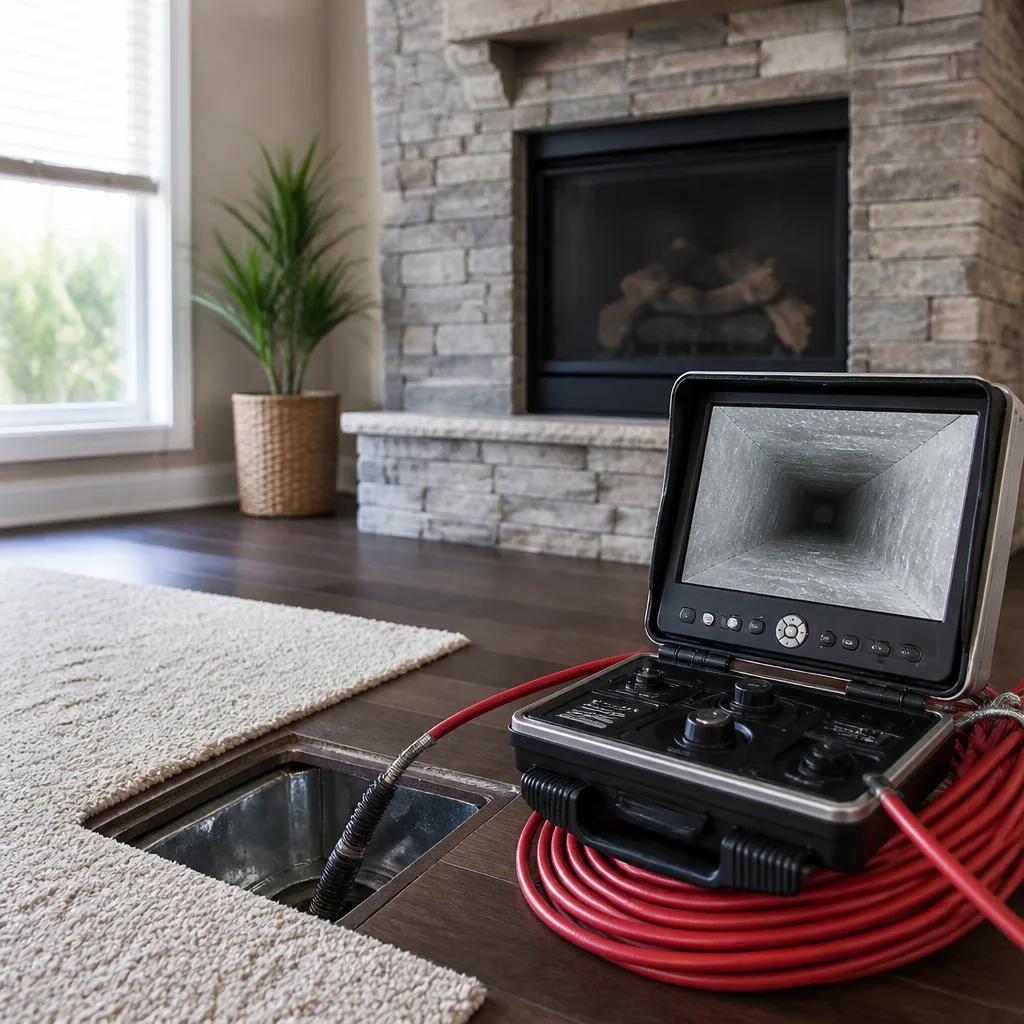 Camera inspection
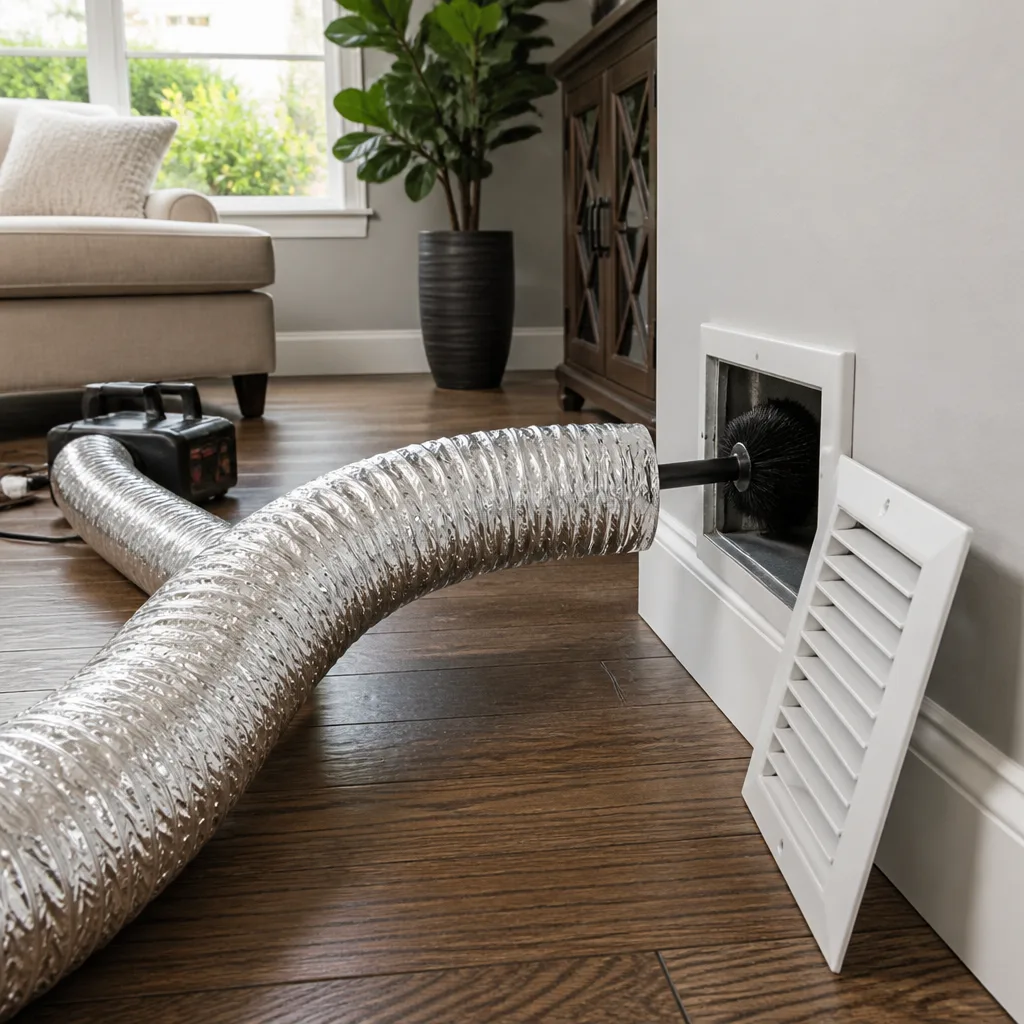 Sanitizing & deodorizing
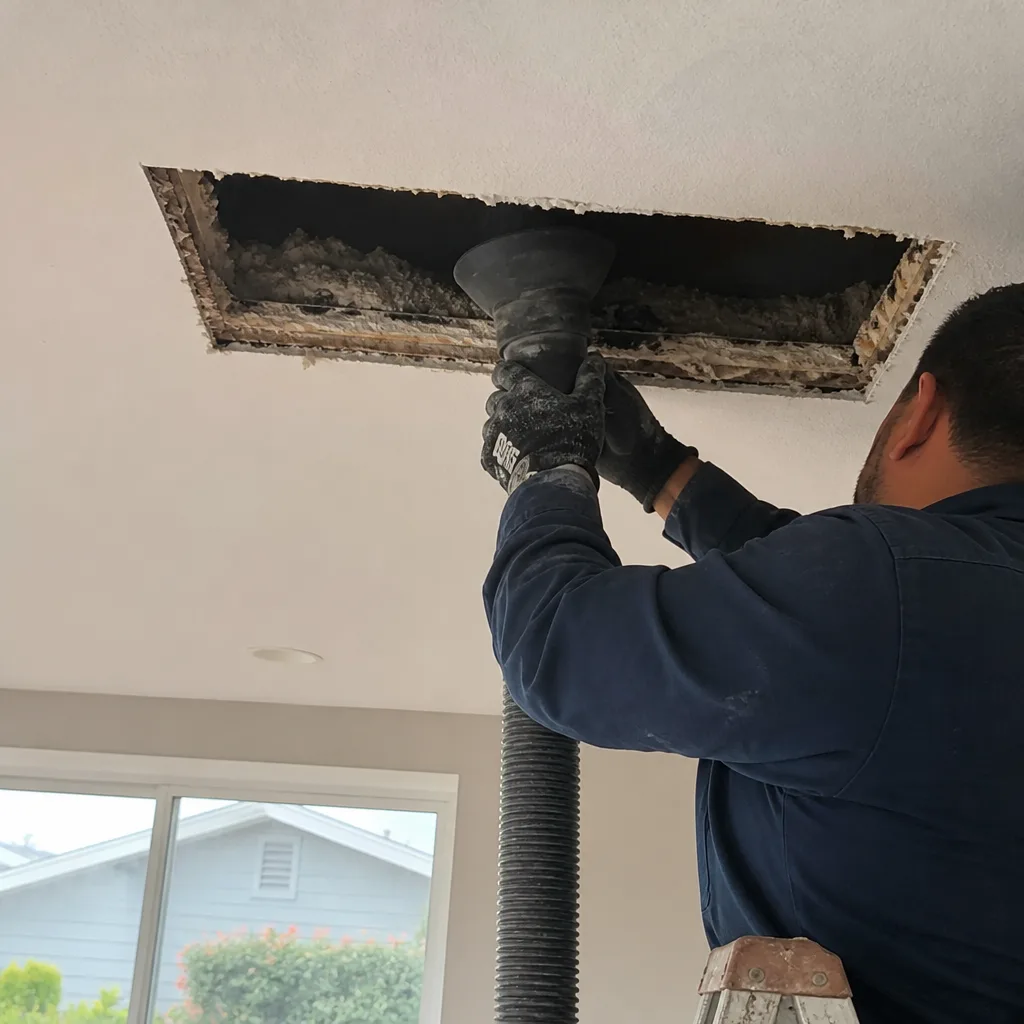
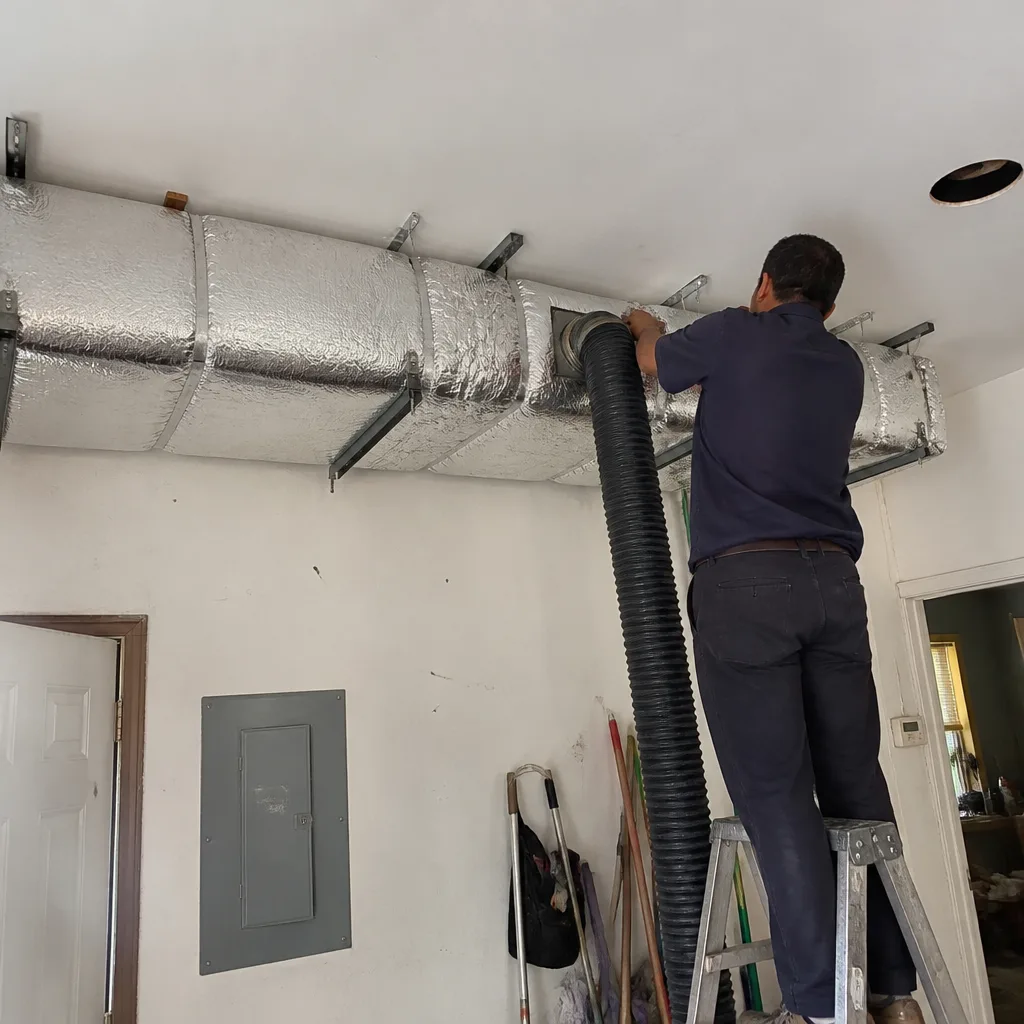
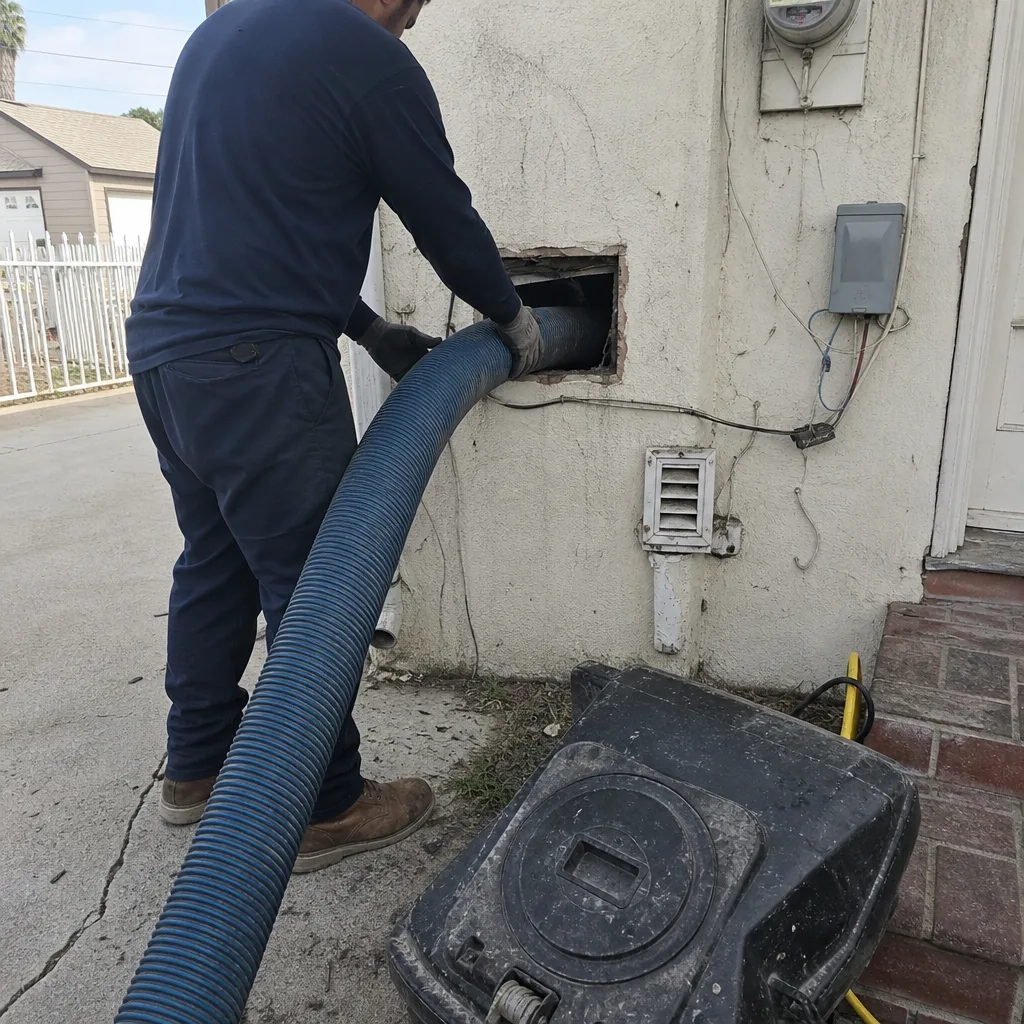
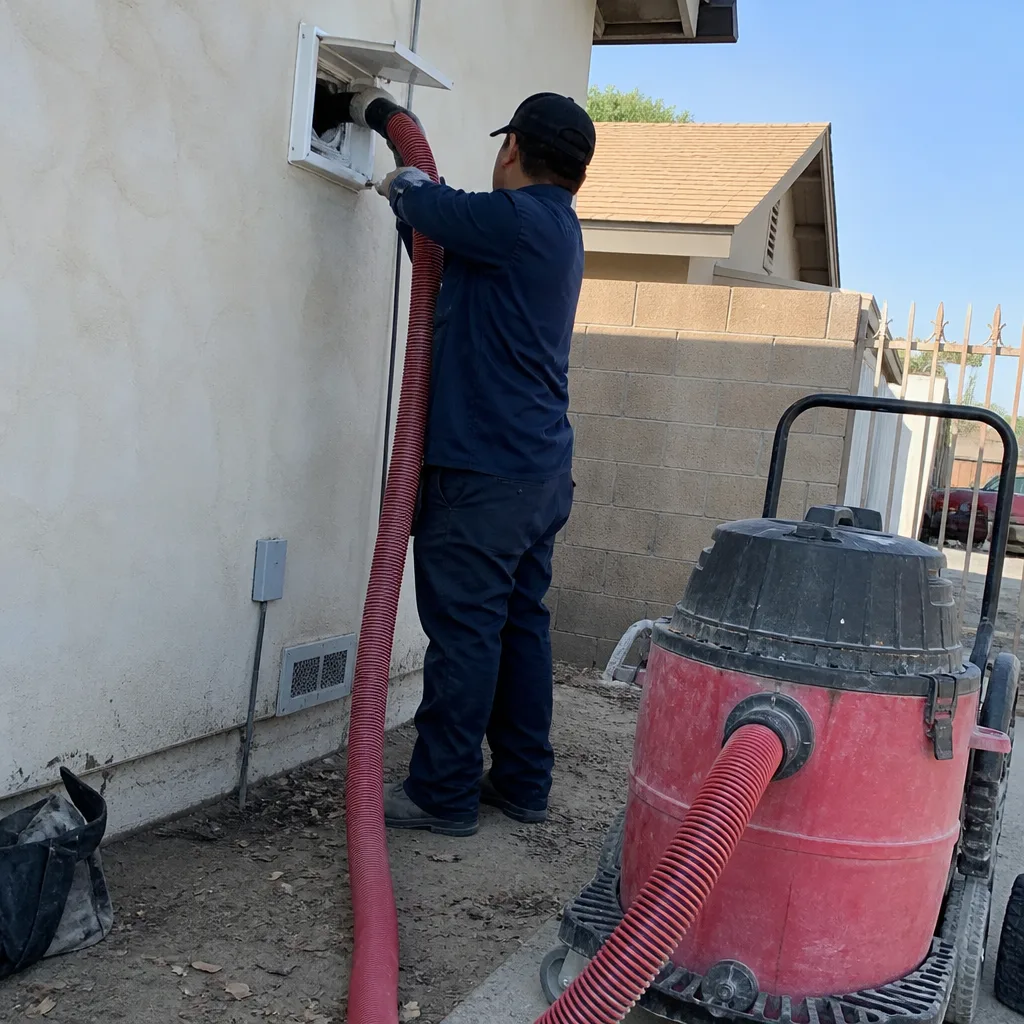
Whole-system duct and dryer vent check with before-and-after photos - you see exactly what came out of your vents
That "$99 whole-house special" is a bait ad - the real number appears once they are in your hallway, or the "clean" is a shop-vac at the register. We photograph the inside of your ducts before and after instead.
Air Duct Cleaning Emergency Preparedness Guide for Inglewood Homes
After the 2020 wildfire season, HVAC technicians across Southern California documented a consistent finding: homes that ran their systems during smoke events had PM2.5 particle deposits on duct walls that standard filter replacement alone didn’t address. The particles were in the duct, not just the filter. In Inglewood, where we sit downwind of multiple fire corridors and atop a network of active fault lines, the question isn’t whether your duct system will face an emergency. It’s whether you’ll know what to do when it does. This guide walks through the four scenarios Inglewood homeowners actually face: wildfire smoke infiltration, post-earthquake duct damage, flood-related contamination, and pre-event shutdown. You’ll learn what requires emergency cleaning, what can wait, and exactly what to tell the contractor when you call.
Quick Answer
Emergency air duct cleaning in Inglewood is warranted when wildfire smoke has visibly or measurably contaminated duct interiors during system operation, when earthquake damage has disconnected or cracked ductwork, or when floodwater or sustained moisture has reached the duct system. In all three cases, the priority is stopping system use, assessing contamination, and scheduling our Air Duct Cleaning services with commercial-grade equipment before the system runs again. Routine dust buildup that has accumulated over years does not require emergency response.
Table of Contents
- Wildfire Smoke Infiltration: When Ducts Become Contaminated
- Post-Earthquake Duct Inspection: What Breaks and Where
- Flood and Water Intrusion: The Moisture Timeline That Matters
- Shutting Down and Protecting Your Duct System Before a Major Event
- What to Tell the Emergency Duct Cleaning Contractor
- Why Equipment Matters in Emergency Duct Cleaning
- After the Cleaning: Verification and Long-Term Protection
- Common Mistakes to Avoid
- When to Call a Professional
- Frequently Asked Questions
- The Bottom Line
Wildfire Smoke Infiltration: When Ducts Become Contaminated
Wildfire smoke is not a single substance. It’s a shifting mixture of gases, water vapor, and particulate matter ranging from visible ash down to particles smaller than 2.5 microns. Those smallest particles, PM2.5, are the ones that settle into duct walls, lining the interior surfaces of supply and return runs, and they don’t get pulled out by a standard 1-inch filter swap. In Inglewood, smoke from the Santa Monica Mountains, the Angeles National Forest, or fires pushed inland by Santa Ana wind reversals can hang over the city for days, and every hour your system runs during one of those events pushes more particulate through the return grille and into the duct interior.
Here’s the assessment framework we use, and it’s the same one you can apply at home:
Indicators That Warrant Emergency Duct Cleaning After a Smoke Event
- System ran during the event with a low-efficiency filter. If you were running a standard fiberglass or MERV-6 filter while smoke blanketed Inglewood, assume particulate entered the duct system. The filter caught the big stuff. It did not catch PM2.5.
- Visible soot or ash at supply registers. Take a white cloth and wipe the inside of a supply vent. Gray or black residue means particulate is present in the airstream, which means it’s present in the duct walls feeding that register.
- Persistent smoke odor weeks after the event. Odor molecules adhere to particulate. If the smell lingers after the outside air clears, the source is often the duct system, not the house.
- Filter shows heavy loading but airflow dropped during the event. This combination suggests the system was pulling smoke-laden air and distributing it. Some of what passed through is now deposited downstream.
What many Inglewood homeowners don’t realize is that the duct system doesn’t need to be “full” of soot to cause problems. A thin, even coating of sub-micron particulate across the interior surface area of a typical 1,500-square-foot home’s ductwork represents a significant particle reservoir. Every time the blower cycles, micro-turbulence at the duct wall re-entrains some of those particles into the air you breathe. The contamination doesn’t just sit there inert.
For a deeper look at what professional cleaning actually removes and how it’s done in Inglewood homes, see our full guide on Air Duct Cleaning in Inglewood.
Post-Earthquake Duct Inspection: What Breaks and Where
Inglewood sits in one of the most seismically active urban zones in the United States. The Newport-Inglewood Fault runs directly through the city, and even moderate events produce enough lateral movement to shift a house on its foundation or rack the framing. When that happens, the duct system takes damage in specific, predictable locations. Knowing where to look after a quake is the difference between catching a problem before it circulates dust and debris through the house, and discovering it months later when your energy bill spikes and your allergies won’t quit.
The Post-Earthquake Duct Inspection Checklist
- Check flexible duct connections at the boot. Flexible duct is attached to register boots and plenum takeoffs with zip ties or band clamps. Seismic movement shears those connections. In attic installations, flex duct can pull completely off a boot while looking intact from the register side. Reach into the register or remove the grille and confirm the duct is still attached.
- Inspect the plenum seams. The supply plenum sits directly above or beside the furnace or air handler. It’s typically a sheet-metal box. Seismic racking can pop the seams or tear the metal at the takeoff collars. Look for visible gaps, and run your hand around the seams with the system off to feel for air leakage.
- Check the return air path. Many Inglewood homes use wall cavities or panned floor joists as return air paths. Earthquakes shake loose the drywall, framing, and panning that define those cavities. If a return plenum has separated from the wall cavity, the system will pull air from the attic, the crawlspace, or the wall interior, all of which carry dust, insulation particles, and whatever else is in those spaces.
- Listen for new rattles when the system starts. Debris that fell into the duct during the quake, like broken drywall, loose screws, or insulation, will rattle when airflow ramps up. A new rattle after an earthquake is almost never a coincidence.
- Sniff for new odors. Compromised return ductwork in a crawlspace can pull in moisture-laden air, pest odors, or soil gas. If the system smells different after a quake, the return path has likely been compromised.
If any of these checks turns up disconnection, visible gaps, or debris in the system, do not run the HVAC until the ductwork is inspected and repaired. Running a system with a disconnected return means the blower is pulling unfiltered air from wherever the breach is, and a disconnected supply means the air you paid to condition never reaches the room, potentially driving up utility bills while degrading indoor air quality. For structural duct issues, our Air Duct Repair in Inglewood service covers reconnection, resealing, and section replacement.
Why Duct Repair Precedes Duct Cleaning
A common sequencing mistake is cleaning ducts that are still damaged. Cleaning does not reconnect flex duct. It does not close a gap at the plenum. If the system is still pulling from the attic or crawlspace, a cleaning will be undone within weeks. Repair first, then clean. That’s the order that holds up.
Flood and Water Intrusion: The Moisture Timeline That Matters
Water in a duct system is not a single event. It’s a timeline, and the timeline determines the response. In Inglewood, the flood scenarios we see are typically one of three things: slab leaks that migrate into below-floor duct runs, heavy winter rain that overwhelms crawlspace drainage and saturates the ground under the house, or plumbing failures inside the home that discharge water near return grilles. Each scenario moves on a different clock.
The Moisture Exposure Timeline
- Water contact under 24 hours, duct insulated externally, no standing water inside duct: In many cases, drying the surrounding area and verifying no interior moisture is sufficient. The duct interior may never have been wetted. Professional assessment is still recommended, but emergency cleaning may not be required.
- Water contact 24 to 72 hours, moisture detectable inside duct: This is the decision zone. Duct interiors that stay damp for more than a day begin supporting microbial growth, especially in the dust and organic film that lines most ductwork. If the duct is wet, it needs professional drying and cleaning. The lining is acting as a growth medium.
- Water contact beyond 72 hours, or any standing water in duct runs: Mandatory cleaning is the baseline. At this point the system likely requires full interior cleaning, and segments of flex duct or internally lined duct may need replacement rather than cleaning. The distinction matters: cleaning saturated, internally insulated flex duct is often ineffective because the insulation layer holds moisture against the inner liner.
Crawlspace duct systems, which are common in older Inglewood housing stock, are the highest-risk configuration. Sheet metal trunk lines running through a crawlspace that floods or holds standing water after heavy rain create a persistent moisture source. The ducts sit in a wet environment even if water doesn’t enter them directly, and condensation forms on the cold metal during AC season. That condensation drips into the insulation, the duct hangers, and eventually the system interior.
One of the most important things to understand: drying alone does not address contamination. If a duct was wet for three days and then dried out, whatever grew during those three days is still there. Dry mold, dry bacteria, dry particulate. The moisture crisis is over. The contamination crisis is not. Clean it or replace it.
For homes in Inglewood dealing with crawlspace or slab-adjacent duct concerns, a dedicated equipment setup matters. Our Rotobrush rotary-brush system physically scrubs the duct interior rather than just blowing air through it, which is the difference between disturbance and removal when dealing with water-damaged systems. Learn more at our Duct Cleaning Inglewood home page.
Shutting Down and Protecting Your Duct System Before a Major Event
You can’t prevent a wildfire from producing smoke or an earthquake from shaking your house. But you can control what happens inside your duct system during and immediately after those events (see our Air Duct Cleaning Maintenance Checklist for Inglewood Homeowners), and that control often determines whether you face a cleaning bill or a contamination problem.
Pre-Event Shutdown Protocol for Inglewood Homes
- When a wildfire smoke advisory is issued for Inglewood, set the thermostat to “Off” or “Fan Off” and leave it there. This applies even if indoor air starts feeling stuffy. A stuffy room is better than a contaminated duct system. If you have a smart thermostat, disable scheduled cycling.
- Close the fresh-air intake if your system has one. Many newer Inglewood homes have a dedicated outdoor air intake for ventilation code compliance. That intake is a direct line from the smoke outside to the duct system inside. Close the damper if one is installed. If there’s no damper, sealing the exterior grille temporarily with plastic sheeting and painter’s tape is a reasonable short-term measure.
- Check your filter and have a higher-MERV replacement on hand. If you must run the system during moderate smoke, a MERV-13 filter is the minimum meaningful defense. But understand: even a MERV-13 does not eliminate all PM2.5 penetration, and the higher pressure drop reduces airflow. It’s a compromise, not a solution.
- After the event, inspect before you resume. Before restarting the system, check the return grilles, the filter, and the supply registers for signs of soot or debris. If you see residue, don’t run the system. Call for an assessment first.
- If an earthquake causes visible cracking in your home, shut the HVAC off at the thermostat before inspecting. A system that’s off can’t distribute debris from damaged ductwork. Inspect the attic and crawlspace access points using the checklist above, then decide whether the system is safe to run.
This is the part of emergency preparedness that costs nothing and prevents the most expensive outcomes. The decision to leave the system off during a smoke event can be the difference between a filter replacement and a full duct cleaning. In Inglewood, where Santa Ana winds can change air quality in hours, that decision usually has to happen fast. Have a plan before the event, not during it.
What to Tell the Emergency Duct Cleaning Contractor
When you call a duct cleaning company in an emergency scenario, the information you provide in the first ninety seconds determines whether they bring the right equipment and whether they can prioritize your job correctly. Most homeowners call and say some version of “my ducts need cleaning.” That’s not enough for an emergency response. Here’s what we need to know, and why:
The Information a Contractor Actually Needs
- What happened and when. “Wildfire smoke, system ran for four days during the event, event ended a week ago.” Or “Earthquake two days ago, heard rattling in the ducts since then.” The timeline tells us whether we’re dealing with acute contamination or something that has been cycling through the system for days or weeks.
- What you’ve observed. Soot at registers. Odor that won’t clear. Visible duct separation in the attic. Debris blowing out of a vent. These observations tell us the contamination type and likely location.
- System type and age, if you know it. “Forced air gas furnace, house built in 1962.” Or “Heat pump, crawlspace ducts.” The system configuration determines the access points, the cleaning method, and the time required.
- Whether you’ve already tried anything. Changed the filter. Ran it for a week hoping the smell would clear. Sealed the intake. This prevents us from assuming a baseline that doesn’t match reality.
- Square footage and number of rooms. This lets the contractor confirm the right vacuum capacity and hose lengths before they depart, which matters for emergency response.
- Anyone in the home with respiratory conditions. Asthma, COPD, allergies, immune compromise. If the answer is yes, the cleaning priority and post-cleaning air filtration recommendation change. This is relevant to how we scope the job.
If the contractor you call doesn’t ask these questions, that’s a signal. A company that books an emergency duct cleaning based on nothing more than your name and address is not doing emergency response. They’re doing route work. The questions themselves are the triage.
In Inglewood, where many homes date to the 1940s through 1970s and duct systems have been modified by multiple owners over decades, the details matter. A contractor who asks about crawlspace versus attic ducts, about system age, about what you’ve seen and smelled, is the one doing the actual job of emergency assessment.
Why Equipment Matters in Emergency Duct Cleaning
Emergency scenarios are not the place for a portable blower and a spinning brush attached to a drill. Smoke-affected ducts need aggressive physical scrubbing and true HEPA filtration at the point of collection, as covered in our Air Duct Cleaning Permits, Codes & Inspections in CA: What You Need to Know. Post-flood ducts need the same physical agitation plus the judgment to know when a section of flex duct should be replaced rather than cleaned. Post-earthquake ducts need the cleaning to happen after the repair, not before, and the cleaning crew needs to work around newly reconnected sections without pulling them loose.
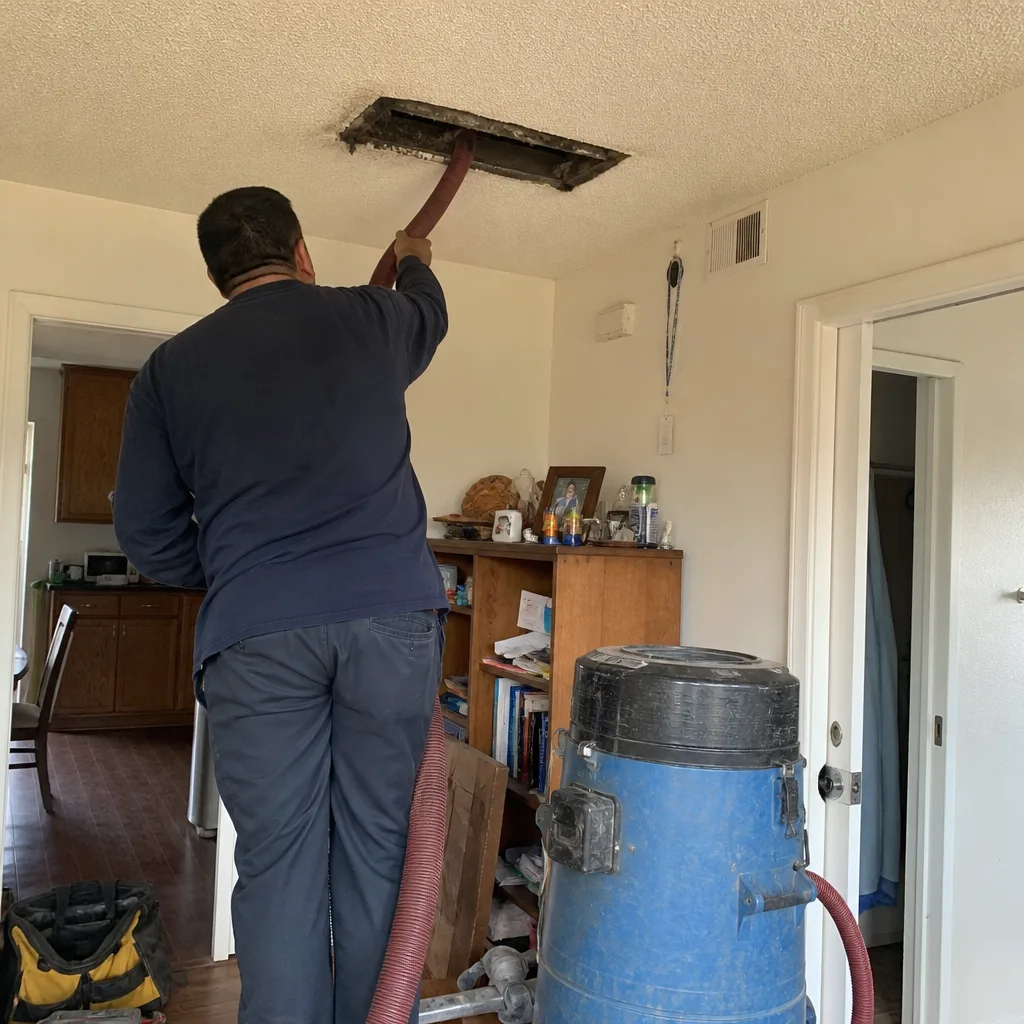
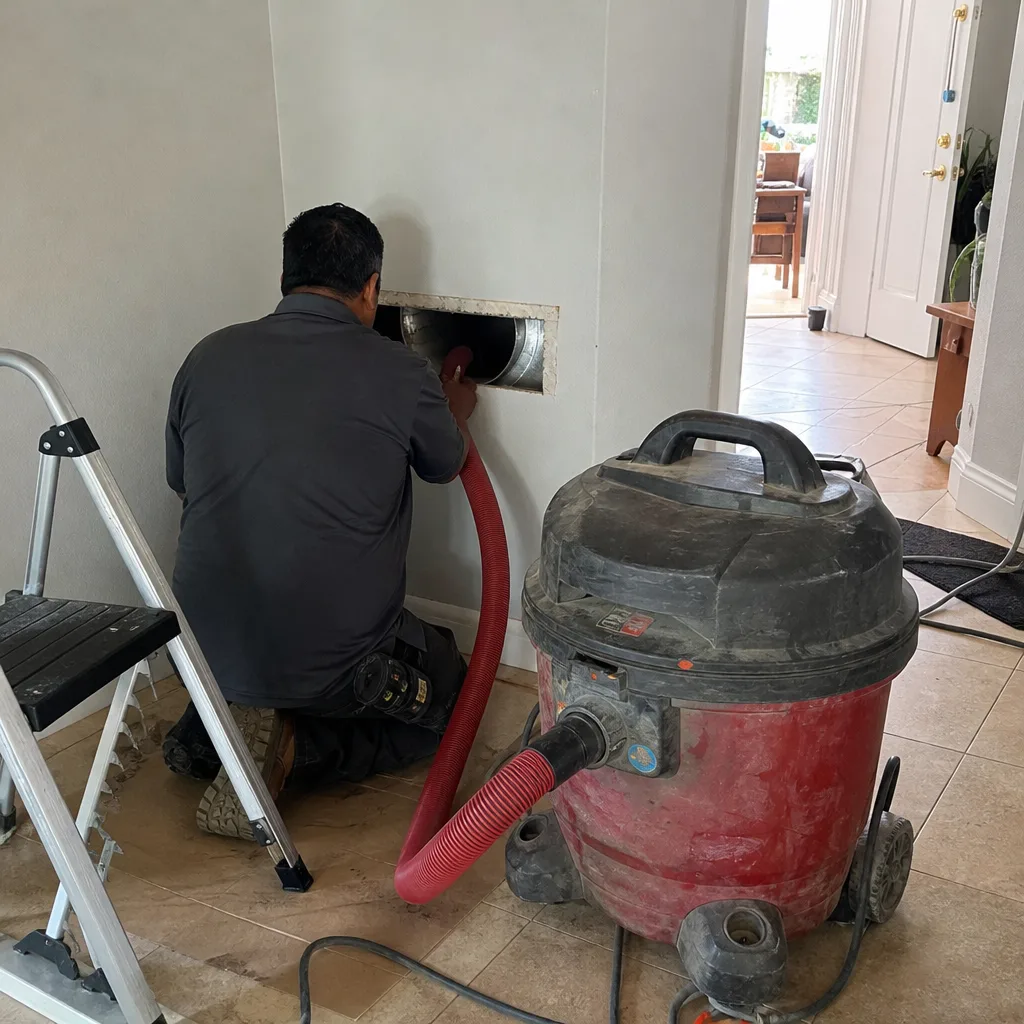
This is where the equipment roster separates a duct specialist from a generalist. We run Rotobrush rotary-brush systems for interior agitation. The rotating brush makes physical contact with the duct wall, dislodging the particulate film that smoke events leave behind. That’s paired with Nikro HEPA-vacuum rigs that maintain continuous negative pressure during the cleaning process, capturing the dislodged particulate rather than releasing it back through the house. These are the same systems used in commercial and institutional remediation. They’re not the tools that fit on a shelf in a van alongside a carpet wand.
For contamination-level scenarios, the conversation extends beyond the duct itself. Post-flood or heavy-smoke jobs may require running HEPA air filtration in the living space during and after the duct work, which is why our equipment inventory includes Abatement Technologies air-filtration units. The goal in those scenarios is not just cleaning the ducts. It’s reducing the airborne load that the event left in the house while the ducts were the delivery system.
We also work regularly with Honeywell and Aprilaire air-quality systems, including whole-house filtration units that Inglewood homeowners often have installed but rarely maintain correctly. After an emergency duct cleaning, the state of the home’s existing filtration matters. If a Honeywell media cabinet still has a loaded filter from before the smoke event, the cleaning undoes itself. If an Aprilaire unit has a bypass damper that was never adjusted, the filtration is partial. These details are part of the full-system picture. Your ducts don’t exist in isolation from the equipment moving air through them.
For the full scope of what this kind of specialized duct work covers, including dryer vent scenarios that share the same duct ecosystem, see our Dryer Vent Cleaning in Inglewood page.
After the Cleaning: Verification and Long-Term Protection
Emergency duct cleaning is not complete when the crew packs up. It’s complete when you can verify the work and when the system is set up to stay clean through the next event. In Inglewood, the next smoke event is always on the calendar somewhere. The next earthquake isn’t scheduled, but the fault line under the city doesn’t care about calendars.
How to Verify an Emergency Duct Cleaning Was Done Properly
- Ask to see before-and-after photos of the duct interior. A specialized duct cleaning crew should be documenting the job with inspection camera photos from inside the duct, not just telling you it went well. If they didn’t take photos, ask why. The answer matters.
- Check the registers yourself. After cleaning, wipe the inside of each supply register with a white cloth. It should come back essentially clean. If you can still see gray or black residue, the interior wasn’t fully cleaned or the residue is being re-deposited from a section that was missed.
- Confirm what was cleaned. A full emergency cleaning should include the supply trunk line, the individual supply runs, the return trunk (including panned joist cavities if your home uses that design), the return drops, the blower compartment, and the register boots. Ask for the scope in writing after the job is done.
- Replace the filter immediately after cleaning. The cleaning process disturbs particulate that the filter may capture during the first few system cycles. A fresh filter after the job prevents re-deposition from a loaded filter.
Setting Up for the Next Event
- Upgrade to the highest-MERV filter your system can handle. For most residential systems, that’s a MERV-11 or MERV-13 depending on static pressure. A technician can measure pressure drop and confirm the system can breathe with the better filter.
- If you’re in a smoke-prone area of Inglewood, consider a dedicated media cabinet or whole-house filtration upgrade. Honeywell and Aprilaire both make units that integrate with existing forced-air systems, and the difference between a 1-inch filter and a 4-inch or 5-inch media filter in a cabinet is significant in wildfire conditions.
- Mark the return grille locations in your home and know their sizes. If a future event requires temporary sealing or upgraded filtration, you’ll have the information in front of you.
- Schedule a baseline inspection before the next fire season. If you know what your ducts look like clean, you’ll know instantly what changed when the next smoke event rolls through. A pre-season inspection with photo documentation costs a fraction of a post-event emergency response.
- Running the HVAC during a smoke event because “the filter will catch it.” A standard filter catches larger particles. The PM2.5 fraction passes through, and a portion of it deposits on duct walls. Every hour the system runs during smoke increases the contamination surface area.
- Waiting to see if the smell goes away on its own. If smoke odor persists two weeks after the outside air cleared in Inglewood, the source is inside the house, and the duct system is the most common reservoir. The longer it sits, the more it embeds into the particulate film on the duct walls.
- Cleaning ducts before repairing earthquake damage. If a section of flex duct has pulled off a boot or a plenum seam has opened, cleaning is wasted effort. The system will re-contaminate as soon as it runs. Repair first.
- Assuming flood-damaged ducts can just dry out. Duct interiors that stay wet for more than 72 hours need cleaning or replacement. Drying alone leaves the microbial growth and particulate behind. The moisture is gone. The problem isn’t.
- Hiring based on price alone for an emergency response. The companies quoting $99 whole-house duct cleaning are running a loss-leader that turns into something else once the tech is in the home. Emergency scenarios don’t reward low-bid thinking.
- Running the system “just to see if it works” after an earthquake. If ductwork has disconnected anywhere, running the system distributes whatever debris the quake knocked loose. Inspect first, run second.
- Not documenting the condition of the system before and after. You need before-and-after photos from the contractor, and you need your own register checks. Without documentation, you can’t verify whether the cleaning actually happened or whether future problems are new or pre-existing.
Common Mistakes to Avoid
When to Call a Professional
Call a duct specialist when the situation involves contamination you can’t reach, damage you can’t see, or moisture you can’t track. That means post-wildfire smoke residue, post-earthquake disconnections, or any water intrusion scenario that involved the duct system for more than a day. It also means scenarios where the home includes vulnerable occupants: infants, elderly residents, or anyone with asthma, COPD, or immune compromise. In these homes, the threshold for calling drops. The cost of professional verification is almost always lower than the cost of guessing wrong.
Duct Cleaning Inglewood offers free estimates in Inglewood. If you’re dealing with a smoke, earthquake, or moisture scenario and aren’t sure whether your ducts need emergency attention, call (855) 341-8387. One conversation can confirm whether you need service now or whether your system can wait, and you can explore more guides & resources on our site. We’ll tell you straight either way.
Frequently Asked Questions
You’ll know by checking for soot residue at supply registers, persistent smoke odor that doesn’t clear after the outside air improves, and a loaded filter that the system ran during the smoke event. If all three are present, the duct interior has almost certainly been contaminated and needs professional cleaning before the system runs again.
No. Smoke contamination is a particulate film on the duct interior walls, and removing it requires physical agitation with rotary-brush equipment plus continuous HEPA-vacuum capture. Consumer vacuums and DIY methods disturb the particulate without capturing it, which can make the problem worse by releasing what was previously adhered to the duct walls.
Inspect before you run the system again. If you can access the attic or crawlspace safely, check flex duct connections at the boots, plenum seams, and return air paths first. If you see visible damage or hear new rattles, shut the system off and call for professional inspection before resuming use.
Drying removes moisture. Cleaning removes the contamination that moisture created. If duct interiors were wet for more than 72 hours, microbial growth and embedded particulate remain even after thorough drying. Those ducts need professional cleaning with physical agitation, and in some cases, section replacement.
Emergency duct cleaning in Inglewood typically ranges from $450 to $900 for a full residential system, depending on square footage, duct access type, contamination severity, and whether repairs are also needed. Homes with crawlspace ductwork or extensive smoke contamination fall toward the higher end. Call (855) 341-8387 for a specific quote based on your system.
The low-price duct cleaning offers in Inglewood are typically loss leaders designed to get a technician into the home, where the price is then adjusted upward for each vent or each “extra” service. Companies using professional-grade HEPA equipment and paying for trained technicians cannot profitably clean a full duct system for $99. The low bid generally reflects either equipment shortcuts, inadequate scope, or an upsell-driven model. Ask what equipment they’re bringing and what the flat, whole-system price includes before you book.
For internally lined flex duct that was saturated for more than 72 hours, replacement is usually the better option. The interior insulation wicks moisture and holds it against the liner, and cleaning cannot reliably address the entire cross-section. For metal trunk lines and runs, professional cleaning is usually sufficient if the duct structure itself is intact. A professional inspection will determine which sections need replacement versus cleaning.
The Bottom Line
Inglewood’s geography imposes three recurring threats on residential duct systems: wildfire smoke carried by Santa Ana winds, earthquake damage from the Newport-Inglewood Fault, and flood or moisture intrusion from slab issues and heavy rain. Each requires a different response timeline, a different assessment method, and a different cleaning approach. The common thread across all three is that early intervention with professional-grade equipment prevents a localized problem from becoming a whole-house contamination event. Know what to look for after each type of event. Know what to tell the contractor when you call. And if you’re not sure whether your system needs emergency attention, the fastest way to get an answer is to ask someone who does this work every day. Call Duct Cleaning Inglewood at (855) 341-8387 for a free estimate and a straight answer.
Written by the team at Duct Cleaning Inglewood, serving Inglewood since 2015.
Styles & brands we work with
- Whole-home duct cleaning
- Dryer vent cleaning
- Camera inspection
- Sanitizing & deodorizing
See the difference
 Before
 After
 Before
 After
 Before
 After