
Last updated November 2, 2026
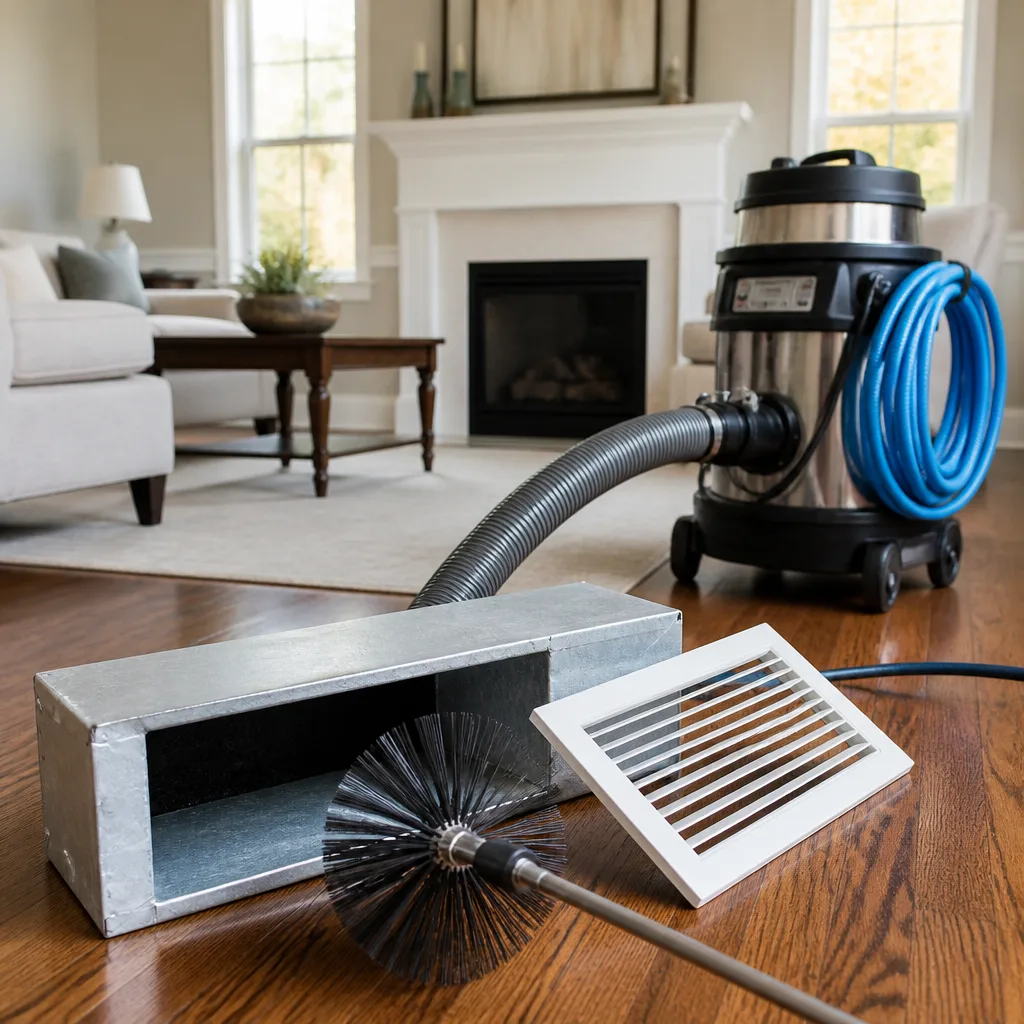 Whole-home duct cleaning
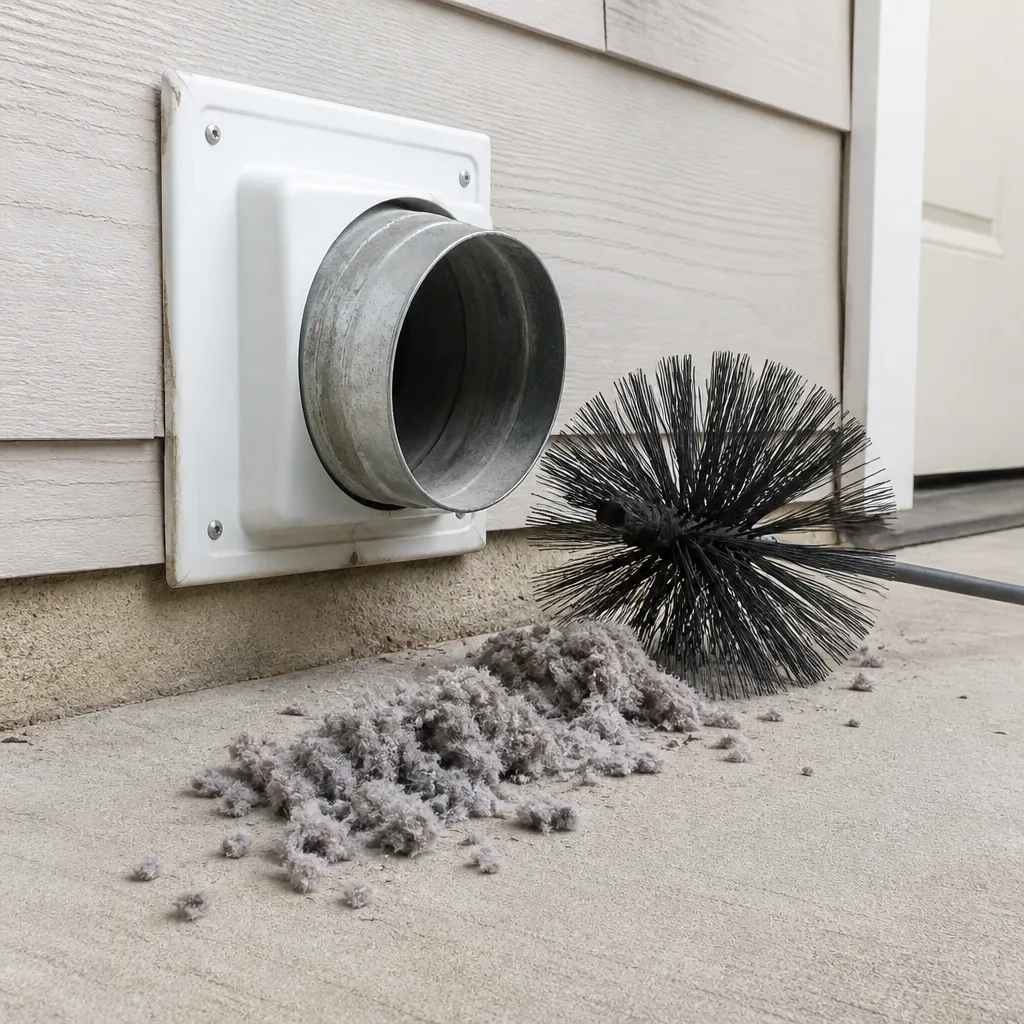 Dryer vent cleaning
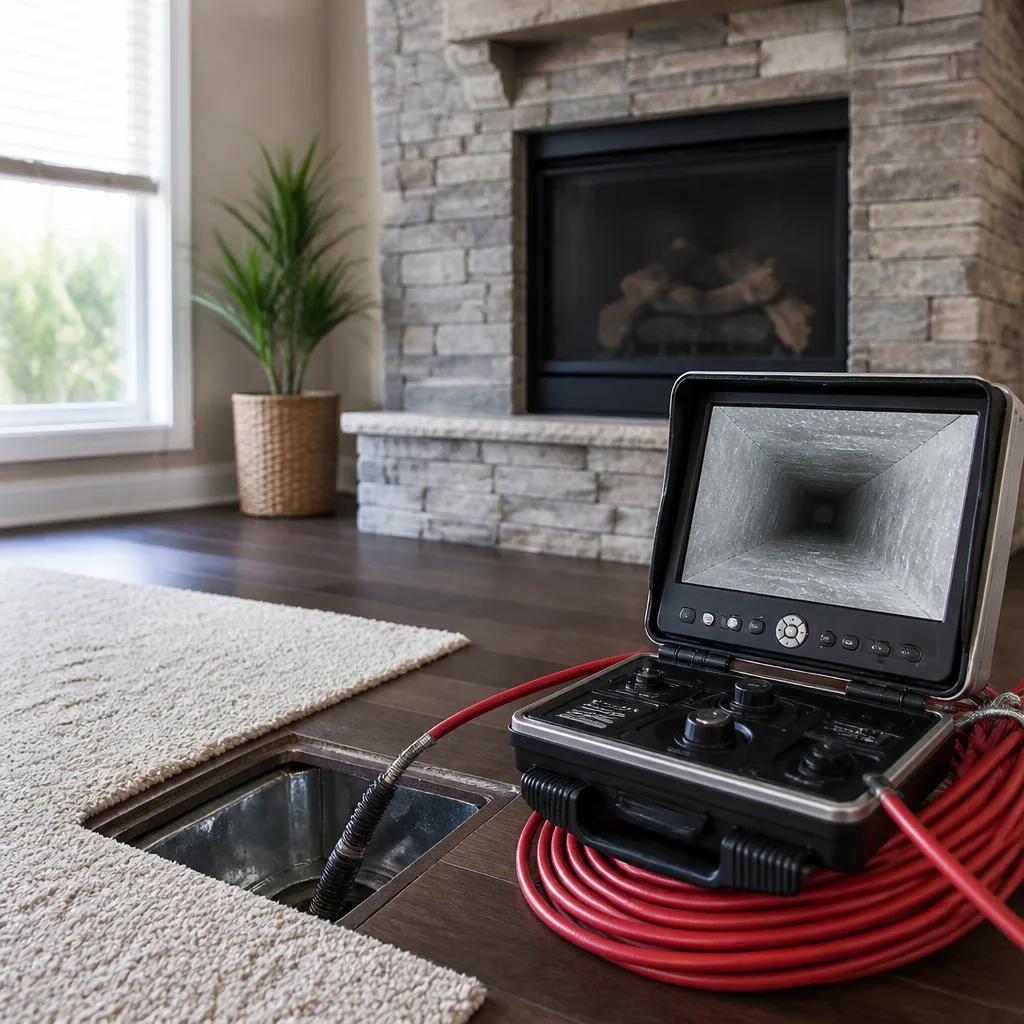 Camera inspection
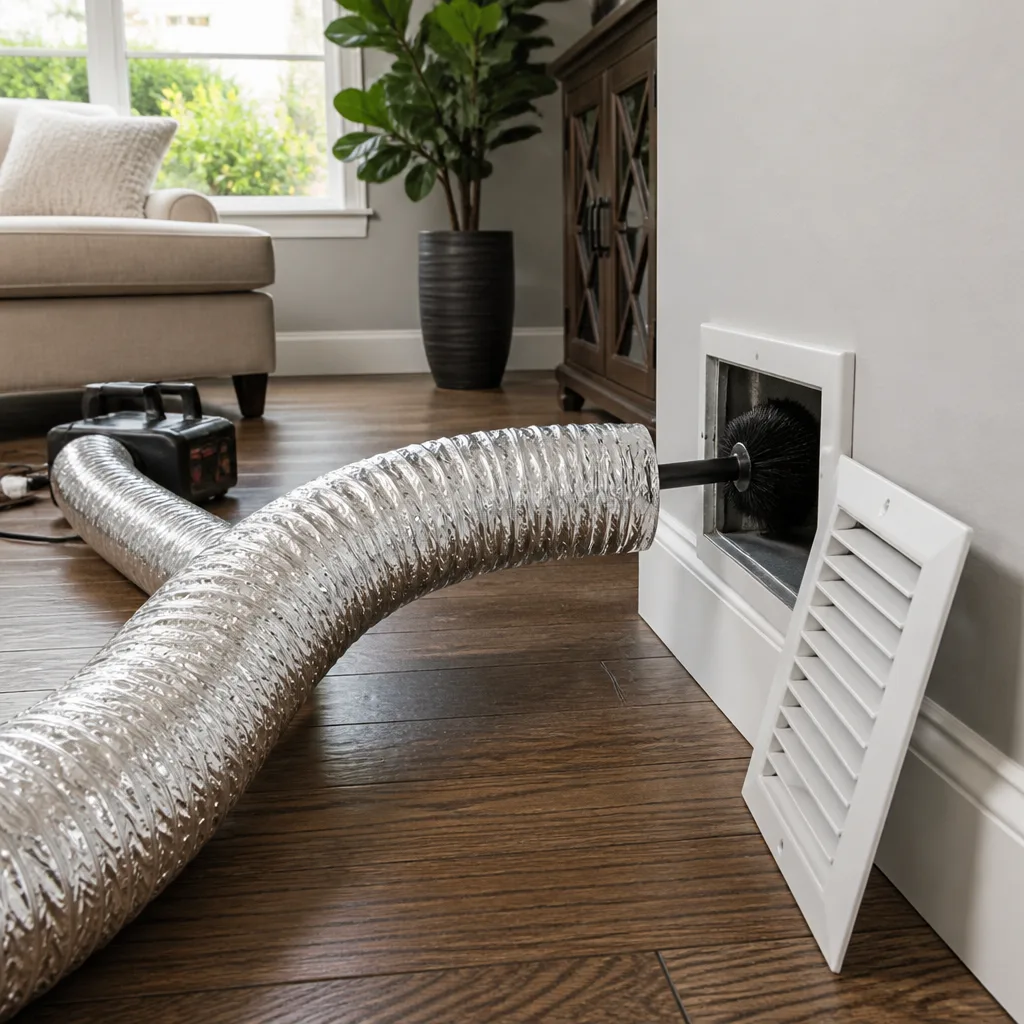 Sanitizing & deodorizing
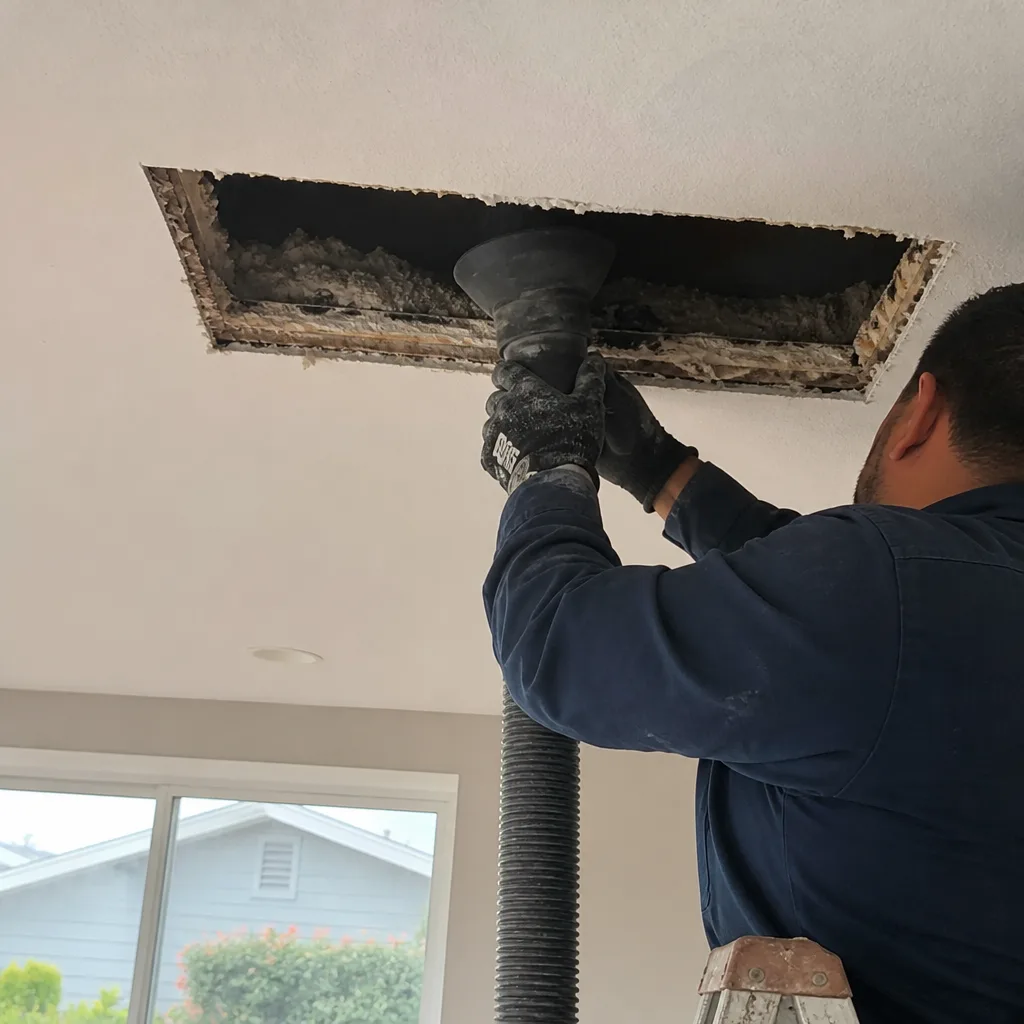
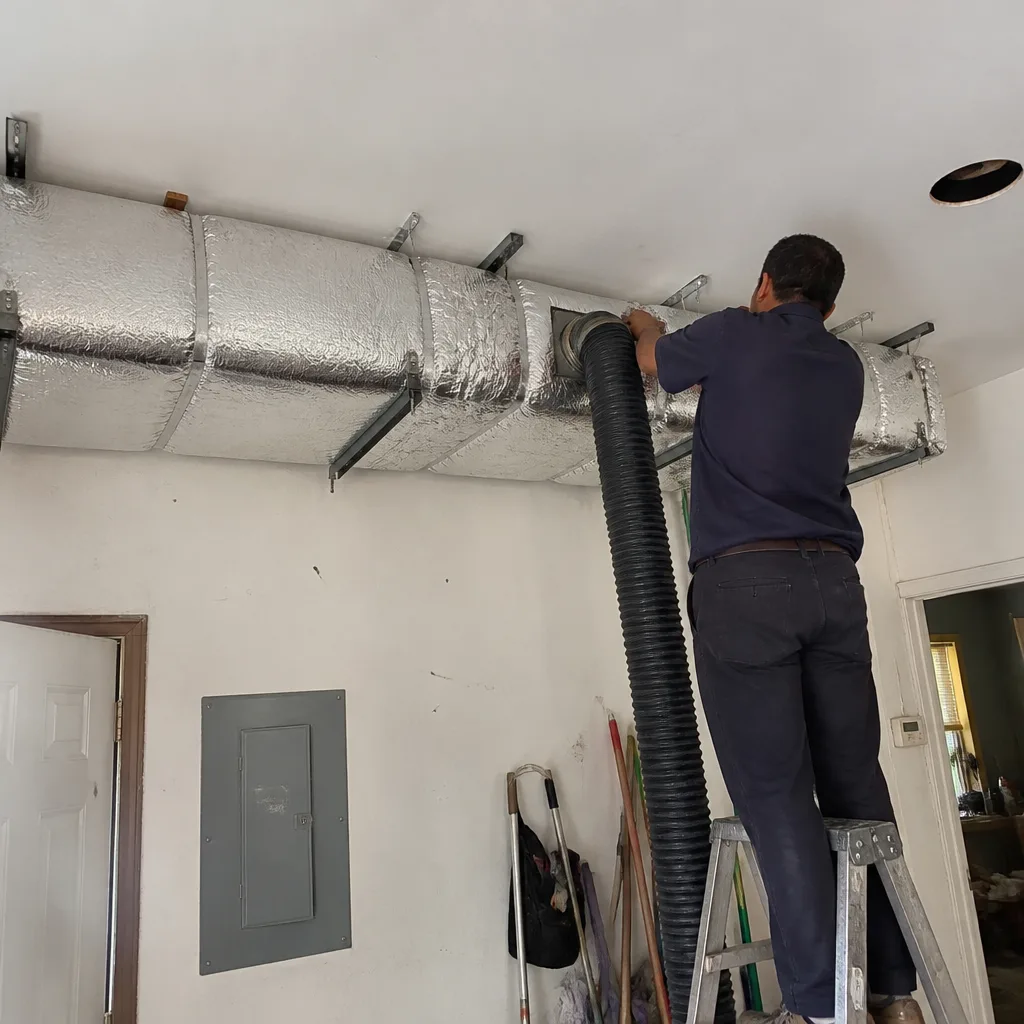
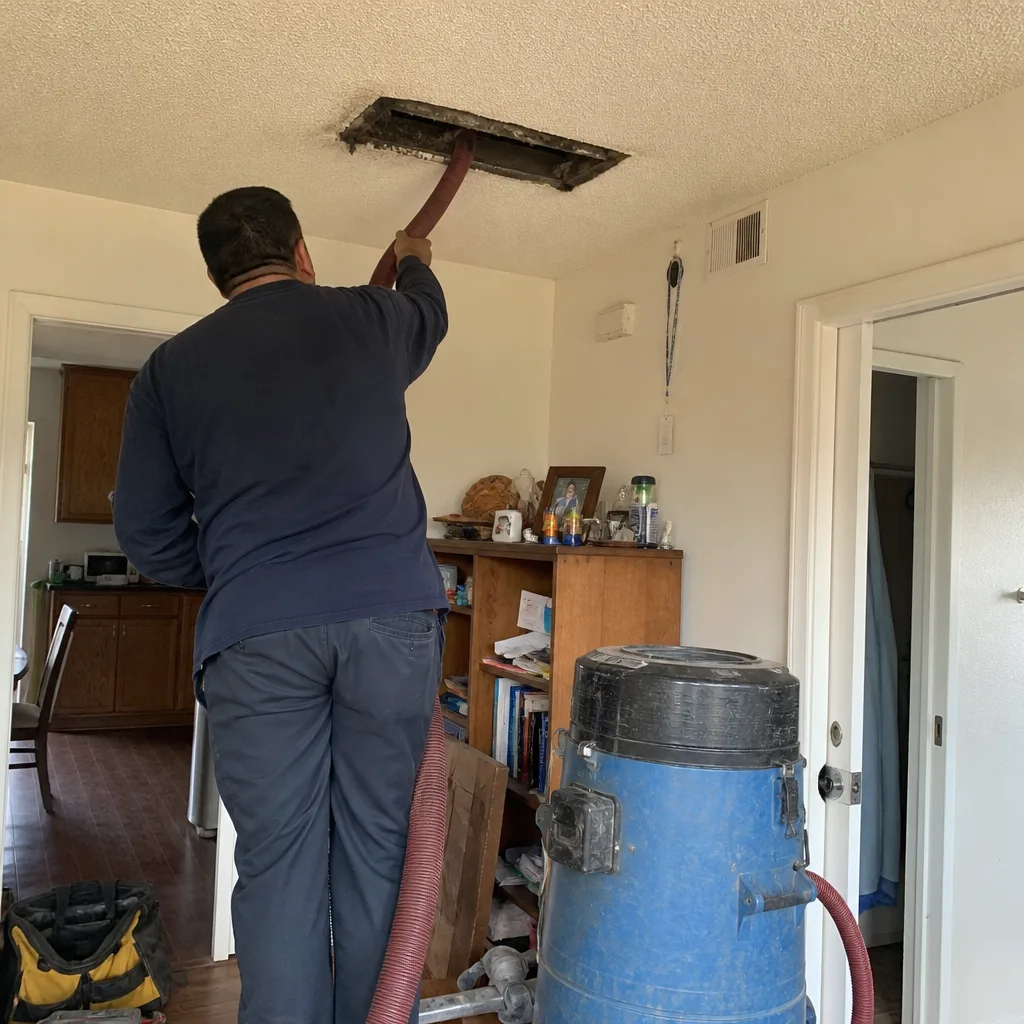
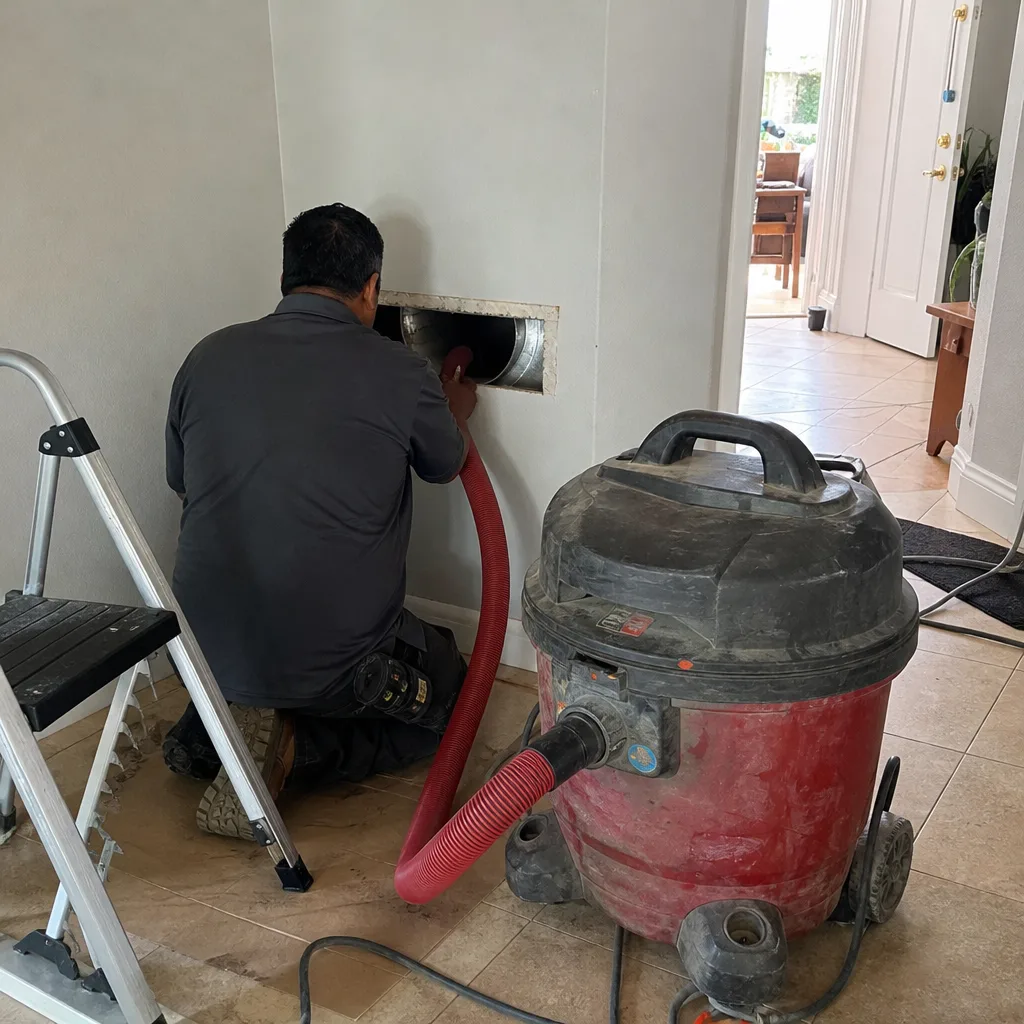
Whole-system duct and dryer vent check with before-and-after photos - you see exactly what came out of your vents
That "$99 whole-house special" is a bait ad - the real number appears once they are in your hallway, or the "clean" is a shop-vac at the register. We photograph the inside of your ducts before and after instead.
Seasonal Air Duct Cleaning Care for Inglewood: Year-Round Homeowner’s Guide
June Gloom isn’t just a weather nuisance in Inglewood. Those weeks of overcast skies and 80 to 90 percent humidity create exactly the moisture conditions inside duct insulation that mold and mildew need to take hold. By the time the Santa Ana winds arrive in October and strip every ounce of moisture from the air, the biological growth inside your ductwork is already established, dried out, and ready to circulate through your home as airborne particulate. This guide maps duct care to Inglewood’s actual climate cycles: the marine layer window, the Santa Ana season, and the wildfire smoke period that now arrives with unfortunate regularity. You’ll learn what each season deposits in your ducts, when to clean, when a filter swap is enough, and how to know the difference.
Quick Answer
Inglewood homeowners should schedule air duct cleaning based on three local climate events rather than a generic calendar. The marine layer season from May through August raises indoor humidity enough to promote biological growth inside flex duct insulation, Santa Ana winds from September through November force fine grit and particulate through registers and into duct walls, and wildfire smoke events deposit PM2.5 particles that standard filters cannot trap and that require mechanical removal. A practical year-round plan starts with a pre-summer inspection in April, a post-marine-layer cleaning in September, a post-Santa Ana filter and register check in November, and an as-needed smoke-event response.
Styles & brands we work with
- Whole-home duct cleaning
- Dryer vent cleaning
- Camera inspection
- Sanitizing & deodorizing
Table of Contents
- Why Inglewood’s Climate Demands a Different Duct Care Calendar
- The Marine Layer Window: May Through August
- Pre-Summer Cooling Season Inspection: What to Check Before High Load
- Santa Ana Wind Events: Particulate Intrusion and Register Checks
- Wildfire Smoke Season Protocols for Inglewood Ducts
- Post-Event Versus Scheduled Cleaning: How to Decide
- Dryer Vent Seasonality: A Parallel Calendar
- Common Mistakes to Avoid
- When to Call a Professional
- Frequently Asked Questions
Why Inglewood’s Climate Demands a Different Duct Care Calendar
Inglewood doesn’t follow the four-season pattern that most duct cleaning advice assumes. We don’t have a leaf-drop autumn, a frozen winter, or a pollen-heavy spring in the way that, say, the Northeast or Midwest experiences. What we have instead is a marine layer cycle that runs roughly from May through August, a Santa Ana wind season from September through November, and a wildfire smoke window that now overlaps with the Santa Ana period and can extend into December. Each of these climate events deposits a different category of contamination in your duct system, and each requires a different response.
Here’s the breakdown we’ve observed across hundreds of Inglewood homes:
- Marine layer (May through August): Sustained humidity in the 80 to 90 percent range. This moisture penetrates flex duct insulation and interior duct surfaces, creating conditions where mold spores, bacteria, and dust mites proliferate. By August, many Inglewood homes have measurable biological growth in duct insulation that was bone dry in April.
- Santa Ana winds (September through November): Hot, dry, sustained winds that carry fine dust, grit, and particulate from inland areas. These events force outdoor air through any gap in window seals, door thresholds, and exterior vents. Duct registers become coated with a layer of residue that works its way into the duct walls.
- Wildfire smoke (August through December, variable): Fine particulate matter below 2.5 microns (PM2.5) that bypasses standard furnace filters, enters the duct system, and adheres to interior duct surfaces. This material cannot be removed by simply running the system. It requires mechanical agitation and HEPA vacuum extraction.
The relevant comparison isn’t between Inglewood and the rest of the country. It’s between what your ducts collect in June versus what they collect in October. Those are two different problems. Treating them the same way is why so many homeowners clean their ducts at the wrong time and see limited improvement. Our team at Duct Cleaning Inglewood uses professional-grade equipment including Rotobrush rotary brush systems and Nikro HEPA vacuum rigs to address each contamination type specifically. For more on our core service, see our Air Duct Cleaning in Inglewood page.
The Marine Layer Window: May Through August
The June Gloom period in Inglewood is not a cosmetic weather pattern. It’s a sustained humidity event that runs for weeks, often with overnight relative humidity at or above 85 percent. While Inglewood homes rarely have visible condensation on windows during this period, the moisture level inside unconditioned spaces like attics, crawl spaces, and interior duct runs is significantly higher than most homeowners realize.
Here’s what happens inside your ducts during this window:
- Insulation absorbs moisture. Flex duct insulation is porous. When the surrounding air holds 80 to 90 percent humidity for consecutive days, that insulation absorbs moisture from the air even if no liquid water is present. The interior of the duct becomes a humid microclimate.
- Dust becomes a growth medium. The dust that accumulates on duct interior surfaces during normal operation is mostly dead skin cells, pet dander, and textile fibers. All of that is organic material. Add moisture, and it becomes a food source for mold and bacteria.
- Spores colonize. Mold spores are present in every home. They don’t need to be introduced; they need conditions. The humid interior of a flex duct in August provides those conditions. Colonization can happen in as little as 48 to 72 hours once moisture levels cross the threshold.
- Drying doesn’t remove the problem. When the marine layer finally breaks and Inglewood returns to dry conditions, the biological growth dries out and becomes dormant. But the spores remain, and the next high-humidity event reactivates them. More importantly, dried mold fragments are lighter and more easily aerosolized, so they enter your breathing space more readily.
This is why we recommend that Inglewood homeowners consider a cleaning at the end of the marine layer season rather than the beginning. Cleaning in May means you remove last year’s accumulation, but then the system sits in humid conditions for three months collecting new material that will bloom. Cleaning in September means you remove whatever the marine layer helped establish, and you enter the dry season with a clean system.
Not every home needs cleaning every September. A home with well-sealed ducts, good filtration, and a relatively recent cleaning may only need an inspection. We cover that decision process in the Post-Event Versus Scheduled Cleaning section below.
Pre-Summer Cooling Season Inspection: What to Check Before High Load
Every Inglewood home that runs air conditioning from June through October should get a pre-season inspection before the system goes into continuous operation. The logic is simple: once the system runs at full load, it circulates everything that’s inside the ductwork. If there’s a winter and spring’s worth of accumulation sitting in there, you’re about to aerosolize it and push it into every room.
Here’s a step-by-step inspection you can do yourself in April or early May, before the marine layer really gets going:
- Remove a few register covers. Unscrew the covers on two or three supply registers, ideally one on the first floor (or lowest level) and one on an upper floor. Look inside with a flashlight. What you’re looking for is not just dust but gray or dark discoloration on the interior surfaces, especially on flex duct insulation.
- Check the return air registers. These are the vents that pull air back into the system. If they have visible dust caked on the grille or just inside, that’s a sign that the duct system has been bypassing or overloading the filter. In Inglewood’s dry season, a significant portion of outdoor dust gets pulled into the return side and deposited throughout the entire duct run.
- Inspect the filter. Pull the filter and hold it up to a light. If you can’t see light through it, it’s past replacement. More importantly, note the filter’s MERV rating. Standard fiberglass filters (MERV 1 to 4) trap only the largest particles. If your home uses a standard filter and you’re seeing fine dust on the registers, that dust has been passing through the system and coating the duct walls for months.
- Look for moisture signs. In the attic, check for any water staining on duct insulation, rust on register screws, or musty odor when the system first turns on. In Inglewood’s spring, any of those signals means moisture has been present and biological growth may have begun.
- Run the system and listen. Turn the fan on with the compressor off, or open windows and run the fan. Listen for rattling, popping, or a sound like paper flapping. These indicate debris in the system or insulation that has begun to separate from the duct walls.
If you find more than light dust accumulation in step one or two, that’s a signal to schedule a professional cleaning before the cooling season begins. If you find any evidence of moisture in step four, that’s a signal to schedule a cleaning and have the system inspected for leaks or insulation failure. Our team at Duct Cleaning Inglewood performs these inspections as a standard part of our air duct cleaning service in Inglewood, and we use Nikro HEPA vacuum equipment to remove what the inspection turns up.
Santa Ana Wind Events: Particulate Intrusion and Register Checks
Santa Ana winds in Inglewood are the opposite of the marine layer. Where June Gloom brings high humidity and stagnant air, Santa Anas bring hot, dry, gusting winds that can sustain 30 to 50 mile per hour speeds for days. These winds carry fine dust and grit from inland desert areas and push it against every exterior surface of your home. Some of that material gets inside.
Here’s what to know about Santa Ana particulate intrusion and your ducts:
- Entry points matter. Santa Ana dust doesn’t just come through open windows. It forces its way through the small gaps around window sashes, under exterior doors, and through any unsealed penetration in the building envelope. Once that dust is inside, your HVAC return registers pull it into the duct system.
- The particulate is fine and abrasive. Santa Ana dust is not the same as the typical household dust that accumulates on furniture. It’s finer, and it contains a higher proportion of mineral particles. When this material coats the interior of duct walls, it doesn’t just sit there; it abrades the surfaces it contacts, including insulation, which means more material becomes airborne over time.
- Register checks are the fastest diagnostic. After any significant Santa Ana event (two or more days of sustained winds), remove two or three register covers and run a damp white cloth around the interior of the register opening. If the cloth comes back gray or tan, the wind event has pushed material into your ducts. The question is how much and how deep.
Here’s the practical protocol we recommend for Inglewood homeowners after major Santa Ana events:
- Change or clean your filter. Do this after every major wind event, regardless of how recently you changed it. The filter has been working overtime and is likely loaded.
- Check register interiors. Use the damp cloth test described above. Light dust on the register is normal. Significant gray or tan residue indicates deeper accumulation.
- Run the system for 10 minutes with windows closed. If you smell a dusty, gritty odor, that’s confirmation that particulate is circulating from within the duct system, not just settling on surfaces.
- Decide between waiting and calling. One wind event in an otherwise clean system may not warrant a full cleaning. But if the Santa Ana season was active, if multiple wind events occurred, or if the system was due for cleaning anyway, schedule a professional cleaning rather than letting the particulate remain over the next year. Fine mineral particulate is heavy and tends to stay where it lands inside ductwork. Filter changes alone won’t remove it.
This is also the season when we see an increase in air duct repair calls in Inglewood. Sustained wind pressure can shake loose old connections, especially on flex duct runs in attics and crawl spaces. If you notice a room that suddenly gets less airflow after a wind event, or if you hear a flapping sound when the system runs, the wind may have separated a duct connection. Our air duct repair service addresses these failures directly.
Wildfire Smoke Season Protocols for Inglewood Ducts
Wildfire smoke has become a regular seasonal feature in Inglewood, and it presents a different contamination problem than anything else your duct system encounters. Smoke particulate is dominated by PM2.5, which are particles smaller than 2.5 microns across. For comparison, a human hair is about 70 microns wide. These particles are so fine that they pass through standard HVAC filters and most upgraded residential filters as well. A MERV 8 filter, which is common in residential systems, captures only about 20 to 30 percent of PM2.5 on a single pass. A standard fiberglass filter captures effectively none.
Once PM2.5 enters your duct system, it doesn’t just blow through and out the supply registers. Here’s what actually happens:
- Adhesion to duct surfaces. PM2.5 particles carry a slight electrical charge and are sticky in high concentrations. They adhere to the interior of ducts, especially on flex duct insulation, which has a textured surface that catches and holds them.
- Accumulation over time. Each smoke event deposits a layer. The layers build on top of each other and on top of whatever dust was already present. After a significant smoke season, the interior of ducts in an Inglewood home can be coated with a fine gray film that is primarily carbon and ash.
- Release when conditions change. When the system runs at high airflow, or when relative humidity increases, that film can flake off and re-enter the breathing space. This is one reason why some homeowners notice a smoky odor when their system runs months after a wildfire event has passed. The material is still in the ducts.
Here’s our recommended smoke-season protocol:
- Run the system on fan-only during smoke events. This keeps air circulating through the filter. It won’t capture PM2.5 with a standard filter, but it will capture larger smoke particles and help reduce the total load.
- Upgrade filtration during smoke season. If your system can accommodate it, a MERV 13 filter is significantly more effective at capturing PM2.5. We are familiar with Honeywell and Aprilaire filtration systems and can advise on what will work with your existing equipment.
- After the smoke clears, inspect. Remove register covers and look for a gray or black film on the interior surfaces. Run the system and note any smoky odor. Both are indicators that smoke particulate has deposited in the ducts.
- Schedule a cleaning if you see or smell residue. Smoke particulate cannot be removed with a filter change. It requires mechanical agitation (rotary brushing) combined with HEPA vacuum extraction. Our Rotobrush and Nikro equipment is designed specifically for this type of contamination. This is the same class of equipment used in commercial and industrial remediation settings.
This is also where our Abatement Technologies air filtration equipment matters. For homes that have experienced significant smoke exposure, running supplementary air filtration during and after the cleaning makes a measurable difference in how quickly indoor air returns to baseline. We use this equipment on the jobs where it’s needed, not as an upsell on every call.
Post-Event Versus Scheduled Cleaning: How to Decide
Most duct cleaning advice assumes you clean on a fixed schedule, typically every three to five years. That’s a reasonable baseline, but it doesn’t account for what actually happened in Inglewood in any given year. A year with a mild marine layer, no significant Santa Ana events, and no wildfire smoke might not require cleaning even if the calendar says it’s time. A year with a sustained June Gloom, multiple wind events, and a week of heavy smoke might require cleaning even if you had the system cleaned twelve months ago.
Here’s how we think about the decision, and how you can think about it too:
- Was there visible contamination at the registers? If the damp cloth test or a visual inspection shows gray, tan, or black residue inside the register openings, that’s evidence that the duct interior has accumulated material. A filter swap will not address this.
- Did you smell anything when the system ran? A musty, dusty, or smoky odor when the system starts up is a strong indicator that material is present in the ducts, not just in the room. Odors that persist after a filter change are particularly telling.
- Was the system running significantly more than usual? A long, hot summer in Inglewood means more hours of system operation, which means more air passes through the ducts and more material gets deposited. If your August utility bill was unusually high, your ducts may have been working harder than you think.
- What’s in the return grilles? If the return air registers are visibly dusty or if you see dust accumulating on the filter within weeks of replacing it, that’s evidence that debris is circulating within the system, not just being drawn in from outside.
- Does anyone in the home have unexplained respiratory symptoms? This is not a diagnostic criterion, and we don’t offer medical advice. But in our experience, when a household reports increased allergy symptoms, morning congestion, or cough that correlates with system operation, a duct inspection is worth doing.
The key distinction is between scheduled maintenance and event response. Scheduled maintenance is what you do when conditions have been normal and you’re simply maintaining the system on a responsible interval. Event response is what you do when a fire, a wind event, or a particularly humid summer has introduced material that didn’t come from normal occupancy. In Inglewood, event response has become more common in the last decade as wildfire smoke has become a recurring seasonal feature. For a deeper look at what our full duct cleaning service involves, see our Duct Cleaning Inglewood home page.
Dryer Vent Seasonality: A Parallel Calendar
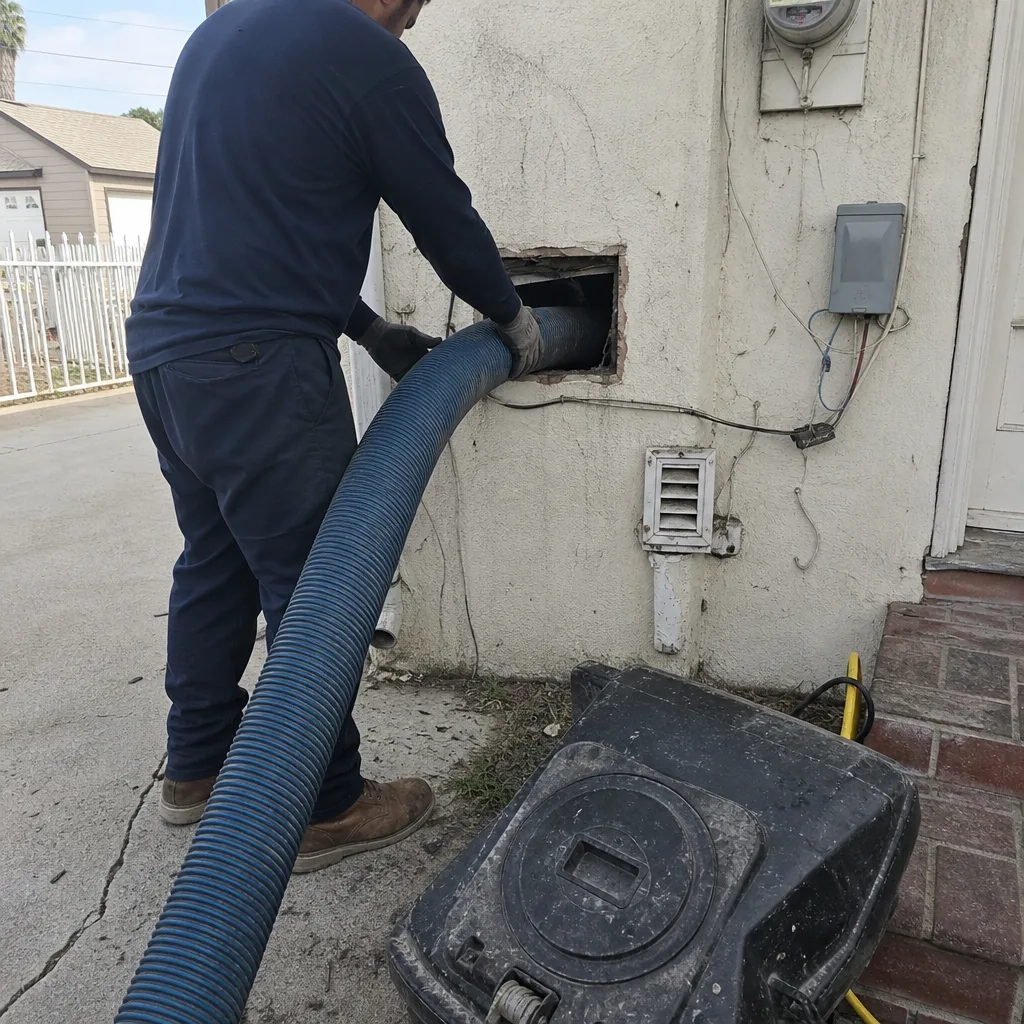
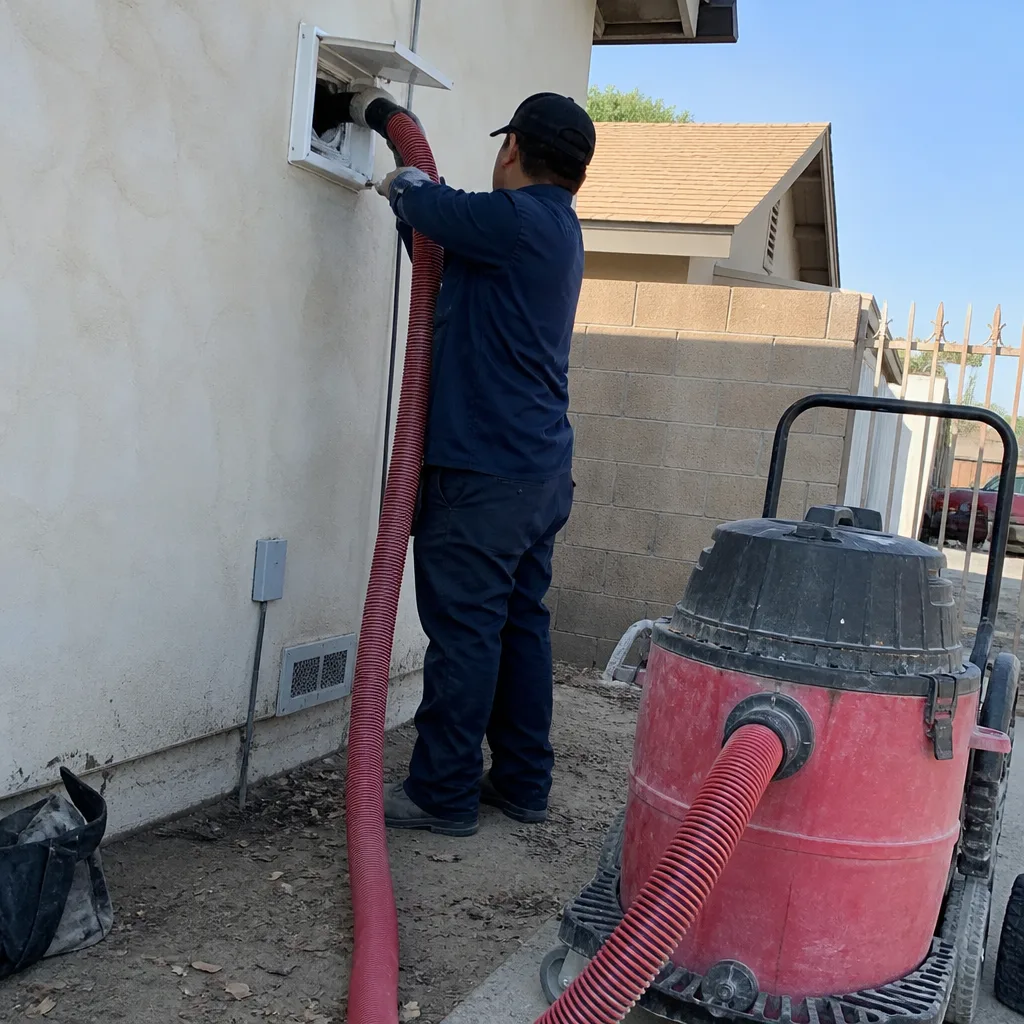
Dryer vents have their own seasonal pattern in Inglewood, and it runs on a different logic than the main duct system. A clothes dryer moves a high volume of warm, moist, lint-laden air through a 4-inch duct to the exterior. The lint that doesn’t make it out of the vent accumulates on the interior walls of the duct, and after enough accumulation, the system becomes restricted.
Here’s what Inglewood’s climate does to dryer vents:
- Marine layer humidity makes lint sticky. During the high-humidity months, lint doesn’t just blow through the vent. It absorbs moisture and becomes tacky, which means it adheres to the duct walls more readily. A vent that was clean in May can accumulate significantly more material during June and July than it would during a drier period.
- Santa Ana winds can affect exterior vent flaps. Strong wind can hold open or damage exterior vent flaps, allowing outdoor air, dust, and even insects into the vent line. A quick check of the exterior vent after wind events is worth doing.
- Wildfire smoke affects dryer vents too. Dryer vents are an air pathway into the home. During smoke events, if the dryer is not running and the vent flap is not sealed properly, smoke can enter the home through the vent. This is a minor pathway compared to windows and doors, but it’s not zero.
The seasonal recommendation for dryer vent cleaning in Inglewood is straightforward: clean annually, and ideally clean at the end of summer rather than in the spring. By the end of a humid Inglewood summer, a vent has accumulated more material than it would have in a dryer climate. Cleaning it in September or October prepares the system for the holiday laundry season and removes the sticky, humidity-saturated lint before it has another year to compact further. If you notice that clothes are taking longer to dry, or if the exterior vent flap doesn’t open fully when the dryer runs, the vent is already restricted and should be cleaned regardless of schedule.
Common Mistakes to Avoid
- Cleaning at the wrong time of year. Cleaning in April or May removes last year’s material, but then the marine layer season deposits new moisture and promotes new growth. Cleaning at the end of summer, before the Santa Ana season, removes the biological material while it’s still contained and before the winds begin circulating it.
- Treating a filter change as a duct cleaning. A filter captures what passes through it going forward. It does nothing about what’s already accumulated on the duct walls. If your ducts have years of buildup, a new filter just means that old material keeps circulating while new material is partially captured.
- Ignoring register evidence. Visible dust or discoloration inside a register opening is direct evidence of what’s in the duct system. Many homeowners assume that what they see at the register is “just the vent.” It’s the window into the duct, not a separate component.
- Using a shop vac or consumer-grade equipment. Consumer vacuums do not have the airflow, filtration, or reach to clean a duct system. They can dislodge material and push it deeper into the system, and their filters are not designed to contain the fine particulate that duct cleaning releases. Professional equipment like Rotobrush rotary brush systems and Nikro HEPA vacuums is engineered specifically for this work.
- Ignoring dryer vents because they are “separate.” A dryer vent is part of the air pathway system in your home. A restricted dryer vent is a fire hazard, not just an efficiency problem. Lint is extremely flammable, and a loaded vent combined with the high temperatures of a dryer exhaust is a known ignition scenario.
- Assuming smoke damage resolves on its own. Wildfire smoke particulate does not dissipate. It stays where it landed until it’s mechanically removed. Waiting months or years doesn’t reduce the contamination; it just means the material remains in your system, releasing slowly into your breathing space.
- Over-cleaning because of marketing pressure. Duct cleaning is not needed every year for most homes. A system in a home with good filtration, sealed ducts, and no significant local events may go several years between cleanings. A professional who pressures you into annual cleaning without evidence of contamination is selling a schedule, not solving a problem.
When to Call a Professional
You should call a duct professional when the evidence indicates contamination that a filter change won’t address. That includes visible accumulation inside register openings, persistent dusty or musty odor when the system runs, gray or black residue after wildfire smoke events, or a spike in household respiratory symptoms that correlates with system operation. You should also call if you see signs of moisture damage, such as water staining on duct insulation or rust at register connections, because moisture in ducts is never a problem that improves on its own. And you should call if a Santa Ana event or other disruption has clearly damaged duct connections, leaving a room with weak airflow or causing rattling sounds when the fan runs. Duct Cleaning Inglewood offers free estimates in Inglewood. Call (855) 341-8387 and describe what you’re seeing. We’ll tell you honestly whether a cleaning is warranted, or whether a filter upgrade or repair work is the better path.
Frequently Asked Questions
Most Inglewood homes benefit from air duct cleaning every three to five years, but the local climate changes that math. Homes that experience significant wildfire smoke exposure, multiple Santa Ana wind events, or evidence of biological growth from the marine layer season may need cleaning more frequently. The best guide is visual and olfactory evidence at the registers, not a calendar. Call (855) 341-8387 for an honest assessment of whether your system is due.
The ideal window is late summer or early fall, after the marine layer season ends and before or during the Santa Ana period. This timing removes biological material that developed during the high-humidity months and prepares the system for the dry season, when circulation increases. For exact scheduling based on your home, call (855) 341-8387.
Yes, and it stays there. PM2.5 particles from smoke range from 0.1 to 2.5 microns and pass through standard furnace filters almost unimpeded. Once inside the duct system, these particles adhere to the interior surfaces, especially textured flex duct insulation. They remain until removed mechanically with rotary brushing and HEPA vacuum extraction. A filter change does not remove smoke particulate that has already settled in the ducts.
After a significant wind event, remove a register cover and run a damp white cloth around the interior of the opening. If the cloth comes back gray or tan, wind-borne dust has entered the system. Also run the system and note whether a dusty or gritty odor is present. Both are indicators that the duct interior has accumulated particulate from the wind event. For a professional evaluation, call (855) 341-8387.
Yes, if moisture conditions are right. The sustained 80 to 90 percent humidity of the marine layer season can raise moisture levels inside flex duct insulation even without visible water intrusion. When that moisture combines with organic dust on duct surfaces, mold spores colonize. By the time the marine layer breaks and conditions dry out, the biological material is established and becomes airborne as it dries. This is why a post-summer cleaning is strategically sound in Inglewood.
A filter change affects only the air that passes through the filter going forward. It captures new material and prevents it from entering the system. A duct cleaning removes material that has already accumulated on the interior surfaces of the ductwork, which may include years of dust, smoke particulate, biological material, and construction debris. Both are necessary parts of a healthy home air system, but they do completely different jobs. Contact (855) 341-8387 to schedule a professional duct cleaning in Inglewood.
It’s often efficient to do both in the same visit, especially at the end of summer when both systems have been working through the humid season. A dryer vent clean uses different tools and a different process than air duct cleaning, but a duct specialist who handles both can do them in one service call. Cleaning both systems at the same visit means you start the fall with every air pathway in your home addressed. For more on our dryer vent service, see Dryer Vent Cleaning in Inglewood.
The Bottom Line
Inglewood’s duct care calendar follows the city’s actual climate pattern, not a generic four-season model. The marine layer window from May through August creates humidity conditions that promote biological growth inside flex duct insulation. Santa Ana winds from September through November force fine particulate into the system through every exterior gap. Wildfire smoke events deposit PM2.5 particles that standard filters can’t capture and that require mechanical removal. The smart approach: inspect in April before the cooling season ramps up, clean in late summer or early fall after the humid season ends, check registers after wind events, and treat smoke exposure as a trigger for immediate inspection. Duct Cleaning Inglewood handles air duct cleaning, dryer vent cleaning, and air duct repair with professional-grade equipment designed for this exact work. Call (855) 341-8387 to discuss what your system has been through and what it needs next.
Written by the team at Duct Cleaning Inglewood, serving Inglewood since 2015.
See the difference
 Before
 After
 Before
 After
 Before
 After